
Lost in the Flow to Be Found by Alexander Lyadov

Yesterday, I listened to a ​three-hour podcast​ in one sitting. The genre caught me off guard—an actor, a comedian, and a rapper talking about everything under the sun, seamlessly slipping into freestyle rap.

The guys were immersed in pure creative flow, and it was genius.

And today, I was amused watching a similar approach to life from a six-month-old puppy. While his owner read a book, the dog joyfully and eagerly dug a deep hole, trying to reach the tree’s root.

His spontaneity was the embodiment of the raw energy of life.

When you lose yourself in an activity, something miraculous happens. It’s not just you who feels good in that moment—others around you also enjoy being near you. Why? You harmonize your own microcosm.

Philosopher, writer, and lecturer ​Alan Watts said​ it best:

"The existence, the physical universe is basically playful. There is no necessity for it whatsoever. It isn’t going anywhere. That is to say, it doesn’t have some destination that it ought to arrive at.

But that it is best understood by the analogy with music. Because music, as an art form is essentially playful. We say, “You play the piano” You don’t work the piano.

Why? Music differs from say, travel. When you travel you are trying to get somewhere.

In music, though, one doesn’t make the end of the composition. If that were so, the best conductors would be those who played fastest. And there would be composers who only wrote finales. People would go to a concert just to hear one crackling chord… Because that’s the end!

Same way with dancing. You don’t aim at a particular spot in the room because that’s where you will arrive. The whole point of the dancing is the dance.

We thought of life by analogy, with a journey, with a pilgrimage, which had a serious purpose at the end; and the thing was to get to that end, success or maybe heaven after you’re dead.

But we missed the point the whole way along. It was a musical thing and you were supposed to sing or to dance while the music was being played."

Sincerely yours,

-Alexander


About me:
As a business therapist, I help tech founders quickly solve dilemmas at the intersection of business and personality, and boost company value as a result.

How can I help you?
If you've long been trying to understand what is limiting you and/or your business and how to finally give important changes a push, then The Catalyst Session is designed specifically for you. Book it here.


Gracious Longing by Alexander Lyadov

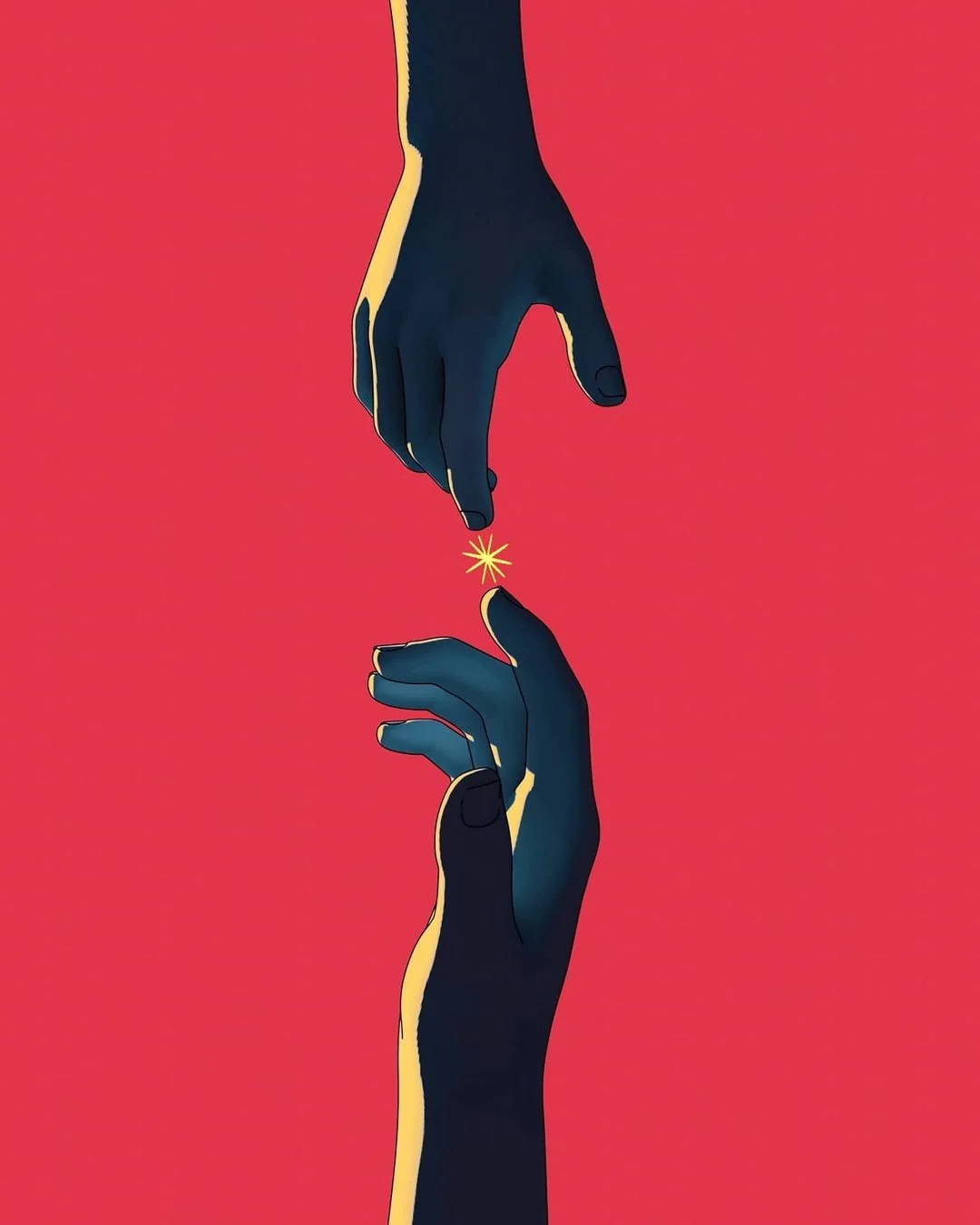
Sometimes, I’m hit by a strange longing. Trying to drown it out with something is useless. A captivating book, a deep lecture, or a long-awaited series all feel boring before I even begin.

“It’s all wrong,” my inner voice firmly declares.

And there I am, stuck in an unbearable emptiness. It’s like everything I touch crumbles into dust, ashes, nothing.

What’s left for me? Stand still and open my eyes wide.

I know this is Life, in its strange way, showing me the path.

The paradox is that the more often I hear “No,” the closer the “Yes” becomes.

I paid a high price for this understanding, after spending years trying to fill my emptiness with something that turned out to be a poor substitute for meaning.

The voice would say, “This isn’t yours,” but I argued with it, clinging to things that were flashy but alien to me. Or I’d hesitate, unwilling to pursue what my whole being had long been reaching for.

Over and over, I had to bitterly admit: “Why did I resist what was both a blessing and inevitable?”

It’s like in therapy, when for the first time, you reveal to someone else your darkest secret, the one that’s haunted, tormented, and driven you mad for years.

You wait, trembling, for the sky to open up and a bolt of lightning to turn you—or the person you’re speaking to—into ashes. But there’s no storm, not even rain. You learn that it could never have gone any other way.

What’s more, your curse turns out to be a gift. Now you’re like an arrow shot from a bow. Energy flows out of you. It turns out you’re not weak at all; it’s just that before, your secret burden drained all your strength.

The path to oneself is, unfortunately, unpredictable, long, and winding. Mostly because we stray off course into the deep, dark woods.

Strangely enough, despair, longing, and void are good signs. It means you’re tired of wandering in foreign meanings, and your nose is starting to catch the scent of freedom.

Sincerely yours,

-Alexander


About me:
As a business therapist, I help tech founders quickly solve dilemmas at the intersection of business and personality, and boost company value as a result.

How can I help you?
If you've long been trying to understand what is limiting you and/or your business and how to finally give important changes a push, then The Catalyst Session is designed specifically for you. Book it here.


Respect the Unknown by Alexander Lyadov

When you deal with novelty, what kind of attitude is more fitting?

This is about situations unlike anything you've experienced before. There are no ready-made scripts for how to think or act.

The worst you can do is be arrogant and careless.

For example, some people treat a psychedelic experience like a fun trip to the movies. But admiring a bear at the zoo is one thing—accidentally waking it from hibernation in the woods is another.

What’s even worse is that in an altered state, you don’t understand who—or what—you’re dealing with. Your subconscious knows everything about you, while you know nothing about it. It won’t just surprise you—it could grind you down like a coffee mill.

The right attitude toward the unknown is reverence—fear, respect, and awe. This is not a child's fantasy; it's an adult's realism. It’s a humble acknowledgment: “There is something more powerful than me.”

Here’s the paradox: reverence unlocks unexpected gifts. The tning is that novelty is both destructive and creative at the same time. How it unfolds for you depends, in large part, on your approach.

The more often this “other world” showers you with its generosity, the more your trust will grow. Someday, beyond the awe, you will feel gratitude, respect, and love for the one who cares for you so deeply.

Sincerely yours,

-Alexander


About me:
As a business therapist, I help tech founders quickly solve dilemmas at the intersection of business and personality, and boost company value as a result.

How can I help you?
If you've long been trying to understand what is limiting you and/or your business and how to finally give important changes a push, then The Catalyst Session is designed specifically for you. Book it here.


Ride the Wind by Alexander Lyadov

Your curiosity is a lever, creating everything from nothing.

Don't believe it? Listen to what neuroscientist Andrew Huberman says: "When people are curious about the answer to a question, it increases activity in the brain areas controlling dopamine release. And that dopamine release allows for better memory of the correct answr as well as better memory of events and information that preceded the answer."

In other words, you don’t need to:

  • Enroll in prestigious universities.

  • Hunt for popular teachers.

  • Pay for expensive courses.

  • Reward yourself for completing tasks.

  • Master memory hacks and techniques.

  • Take substances to stimulate focus, and so on.

It’s enough to keep doing what you find insanely interesting.

Why is it interesting? Does it even matter? A part can never fully grasp the behavior of a system. Architect and philosopher Buckminster Fuller called this synergy. After all, we’re only aware of tiny fragments of what’s happening to us. Some mysterious force pulls you forward.

By the way, synergy (Latin cooperatio, meaning “harmonized action”) is a concept in Christian theology where salvation is achieved through cooperation between divine grace and human free will.

All of a sudden you feel an inexplicable curiosity about something, and you are free to choose - to follow it, or to dismiss it as you often do.

It takes far less effort to sail with the wind than against it. Your curiosity is a breeze, capable of growing into a cyclone.

You are unstoppable when you’re aligned with a typhoon.

Sincerely yours,

-Alexander


About me:
As a business therapist, I help tech founders quickly solve dilemmas at the intersection of business and personality, and boost company value as a result.

How can I help you?
If you've long been trying to understand what is limiting you and/or your business and how to finally give important changes a push, then The Catalyst Session is designed specifically for you. Book it here.


Autumn Wisdom by Alexander Lyadov

I love autumn. It teaches us how to end a cycle of life with dignity, meaning, and grace —so we can begin it again.

Imagine a sentence without a period at the end

It feels uncomfortable, right? It’s like the step disappeared beneath your foot.

It feels like leaving things undone. A chest of treasure left unopened, one our subconscious can’t forget.

For example, few debrief after a project. And without that, there's no way to stop the bad and multiply the good. Yet by shedding its skin, the snake does not die, but lives.

Beyond its usefulness, autumn is beautiful. In Japanese culture, there’s a term “mono no aware” (物の哀れ), which means “the bittersweet charm of things, of the world, of life.”

The only constant is change. Clinging to the usual order, success, power, or youth dooms us to suffering. But like a snake shedding its skin, we do not die—we live anew.

What remains is “a long, deep, contemplative, grateful, light, and tender sadness about the fact that the state of impermanence is a given in this world and an inseparable part of life itself.” [1]

Autumn teaches us to feel both sadness and gratitude for everything we have.

Sincerely yours,

-Alexander


About me:
As a business therapist, I help tech founders quickly solve dilemmas at the intersection of business and personality, and boost company value as a result.

How can I help you?
If you've long been trying to understand what is limiting you and/or your business and how to finally give important changes a push, then The Catalyst Session is designed specifically for you. Book it here.


Double Ankle Pick by Alexander Lyadov

Today, we practiced the "ankle pick." It's as effective as it is simple. You drop sharply onto your knee, grab your opponent’s heel, and yank his support out from under him.

But the move often fails because the opponent pulls his leg back. Champion trainer John Danaher advises, "Use failure to generate success. A double ankle pick is when you hit an ankle pick, it fails, and then you just try again and succeed on the second occurrence."

The trick is that there are few downsides for you. For a tiny expenditure of energy, you might gain a lot in return.

My dog uses a similar strategy, subtly signaling that he’s ready to do any trick for a treat. There's no guarantee I'll agree this time, but it costs him nothing to sit there and wait.

An entrepreneur intuitively searches for such a "lever." He’ll gladly make a follow-up call to a customer, remind an investor of his project, say “No” one more time in a negotiation, or keep pursuing a talented employee for a year.

But why does this work?

An entrepreneur lowers the cost and and increases value at the same time. The more a founder thinks about his business, the less he worries about himself. When his ego isn’t inflated, he has no problem swallowing rejection or knocking on a closed door again.

Moreover, the founder sees the potential of the "goldmine" fate is offering him. In the future, he sees not only financial gain but also a revolution in the industry, benefits to people, team growth, his own personal meaning, and much more.

Isn't it worth going for that ankle pick one more time?

Sincerely yours,

-Alexander


About me:
As a business therapist, I help tech founders quickly solve dilemmas at the intersection of business and personality, and boost company value as a result.

How can I help you?
If you've long been trying to understand what is limiting you and/or your business and how to finally give important changes a push, then The Catalyst Session is designed specifically for you. Book it here.

The Gift of Light by Alexander Lyadov

The way an insight is gained matters greatly. It determines how deeply and quickly it enters our lives.

More often than not, insights come through the intellect. We read a book, watch a movie, or listen to a podcast. Suddenly, we’re struck by someone’s Wow-idea, and it helps us make sense of so much.

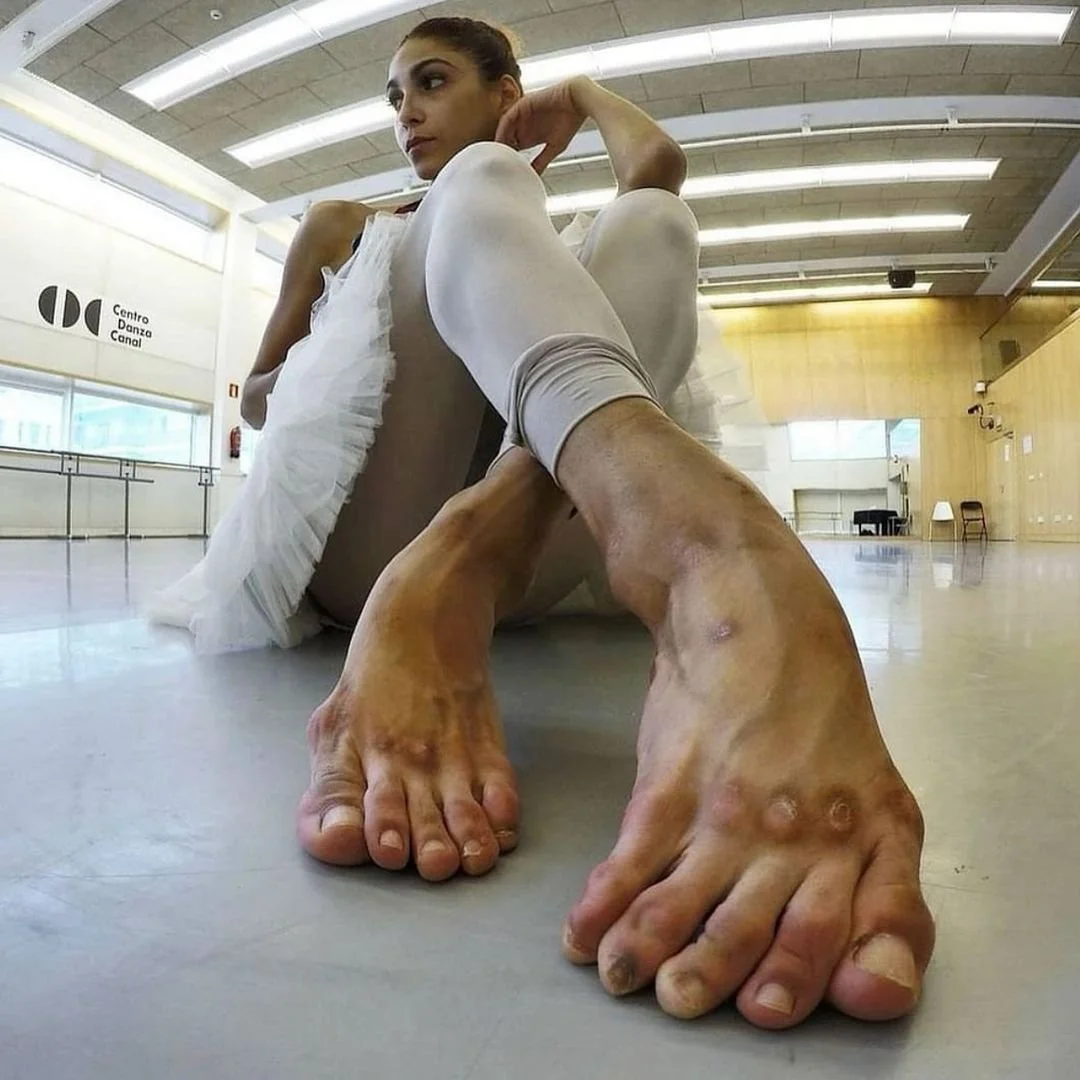
Much more rarely, insight bypasses the mind and hits us straight through the body. We feel something that captures and carries us somewhere, taking our whole being with it. Meanwhile, the shocked mind remains in the passenger seat.

An insight is a sudden solution to a problem that has been haunting us for a long time. But what is the insight of all insights — the solution to the problem of all problems?

It's a mystical experience, a meeting with a higher reality, a grasp of meta-truth, a plunge into the source of harmony, peace, and love.

Such an experience is profoundly convincing. The knowledge you gain is not just a toy for the intellect; it becomes a fundamental part of you. Though your neural pathways may take time to rewire, you are already transformed.

People have always sought ways to trigger mystical states: meditation, prayer, music, dance, sex, psychedelics, or fasting. But sometimes, it happens beyond our control, in the most ordinary moments or even in a dream.

This unearned gift reminds us that in the darkness, there is light.

Sincerely yours,

-Alexander


About me:
As a business therapist, I help tech founders quickly solve dilemmas at the intersection of business and personality, and boost company value as a result.

How can I help you?
If you've long been trying to understand what is limiting you and/or your business and how to finally give important changes a push, then The Catalyst Session is designed specifically for you. Book it here.

Your Two Worlds by Alexander Lyadov

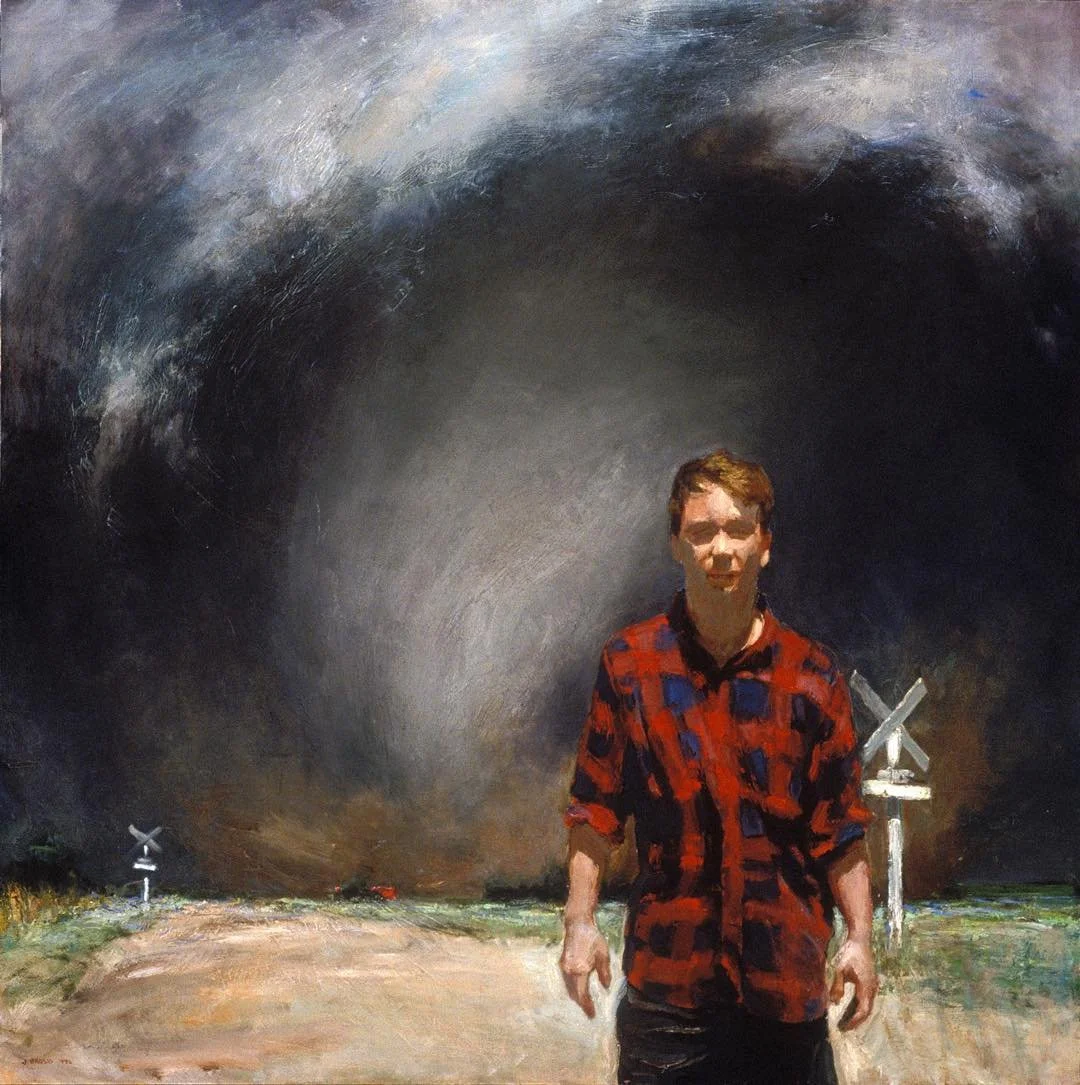
There are two worlds — the one we know and the one we don’t. Both the mystic and the materialist have to admit this. Look around — here, every corner is lit with the light of knowledge, while over there, pitch-black darkness reigns.

The weaker and more vulnerable we are, the more the first world draws us in. Pain and fear make us curl up in a familiar burrow, coiling tight like a ball. When survival is the only goal, nothing else matters.

But once the wounds of the body or soul have healed and our energy rises, the cozy shell starts to feel more like an ancient sarcophagus. What once saved us now threatens to smother us.

Inside, a mysterious urge grows — a desire to break free into the other world. It’s strange because there is no understanding of it at all. But the temptation is strong. The new can reward the brave beyond measure. Or kill him if he acts carelessly.

Each of these worlds has a bright side and a dark side.

It all comes down to our awareness, skills, and resources.

Sometimes we need to lean on one, and other times on the other.

The ideal is to stand with both feet in different worlds at once.

Sincerely yours,

-Alexander


About me:
As a business therapist, I help tech founders quickly solve dilemmas at the intersection of business and personality, and boost company value as a result.

How can I help you?
If you've long been trying to understand what is limiting you and/or your business and how to finally give important changes a push, then The Catalyst Session is designed specifically for you. Book it here.
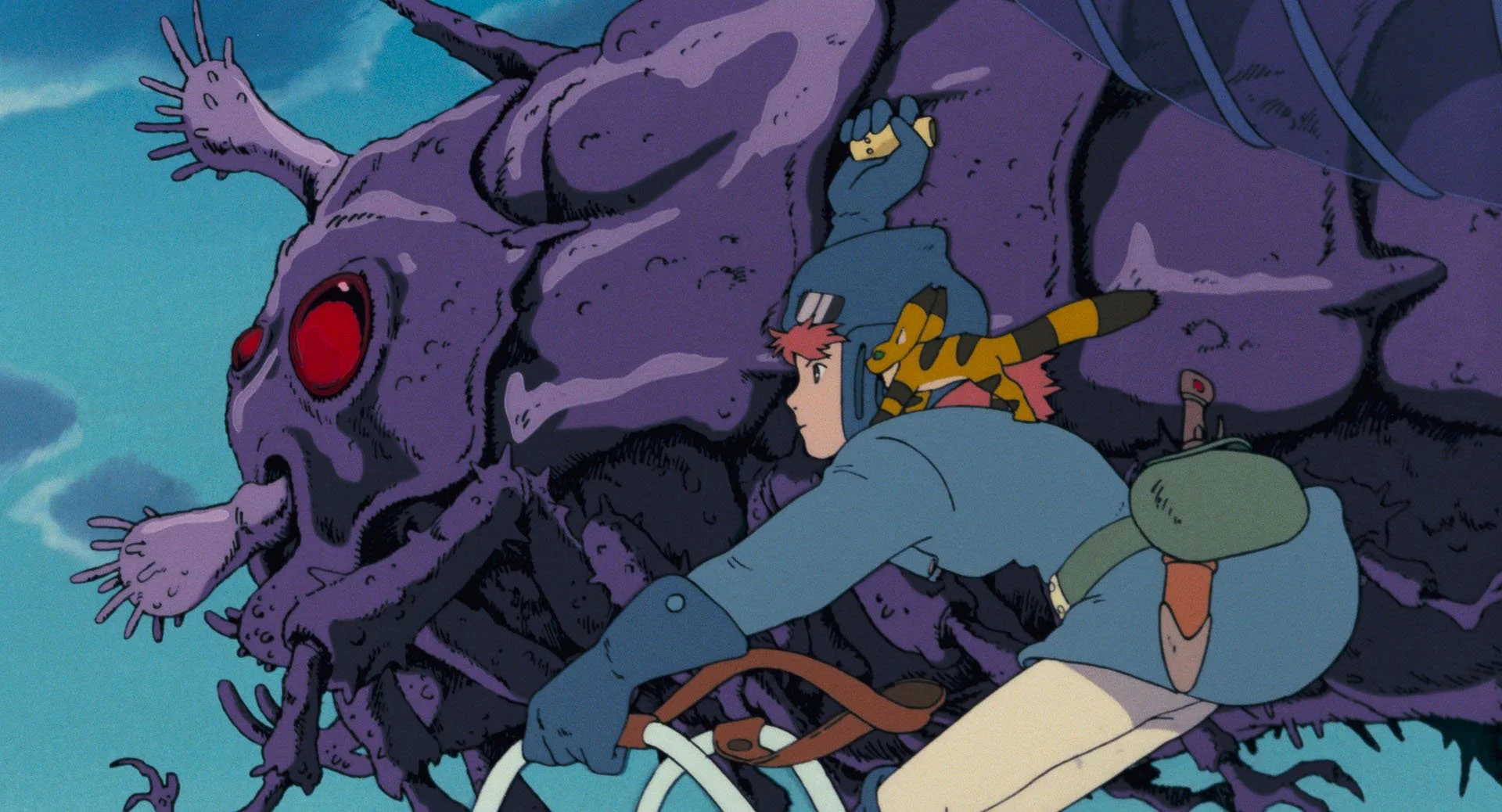

The Price of Play by Alexander Lyadov

In any kind of work, there is a bright side. It inspires the performer to dedicate years of training to it. It is what dazzles the audience with skill, achievements, and beauty.

But there is always a dark side too — the hidden underside known only to the one who wears the armor. You don’t talk about it because people care more about the outcome than the cost.

The result brings joy, laughter, healing, improvement, and usefulness. You can touch it, compare, and evaluate.

But thinking about inputs is hard. One person has talent but can't control it. Another is conscientious. A third gets lucky at the last moment.

Either way, the work demands many sacrifices. It’s no guarantee of success, just the admission price. And this is where it gets interesting.

The odds favor the one who pays pennies while investing millions.

How does he do it? He was made for this work, like a bee made to carry pollen between flowers.

Then, something magical happens, as investor Naval Ravikant said: “It looks like work to others, but it feels like play to me.”

Music producer Rick Rubin advised Andrew Huberman: “The key to being really great at something is to just be you.”

How? You have to discover yourself, either on your own or with someone’s help.

Sincerely yours,

-Alexander


About me:
As a business therapist, I help tech founders quickly solve dilemmas at the intersection of business and personality, and boost company value as a result.

How can I help you?
If you've long been trying to understand what is limiting you and/or your business and how to finally give important changes a push, then The Catalyst Session is designed specifically for you. Book it here.

Vortex Dynamics by Alexander Lyadov

"We grow in direct proportion to the amount of chaos we can sustain and dissipate," wrote Nobel laureate Ilya Prigogine. The Belgian physicist and physical chemist demonstrated that systems in non-equilibrium conditions can spontaneously organize and transition to a higher state of order.

We are used to thinking of a person or a company as a physical or corporate body. It’s a solid, tangible, and stable structure that can be grasped, manipulated, and changed.

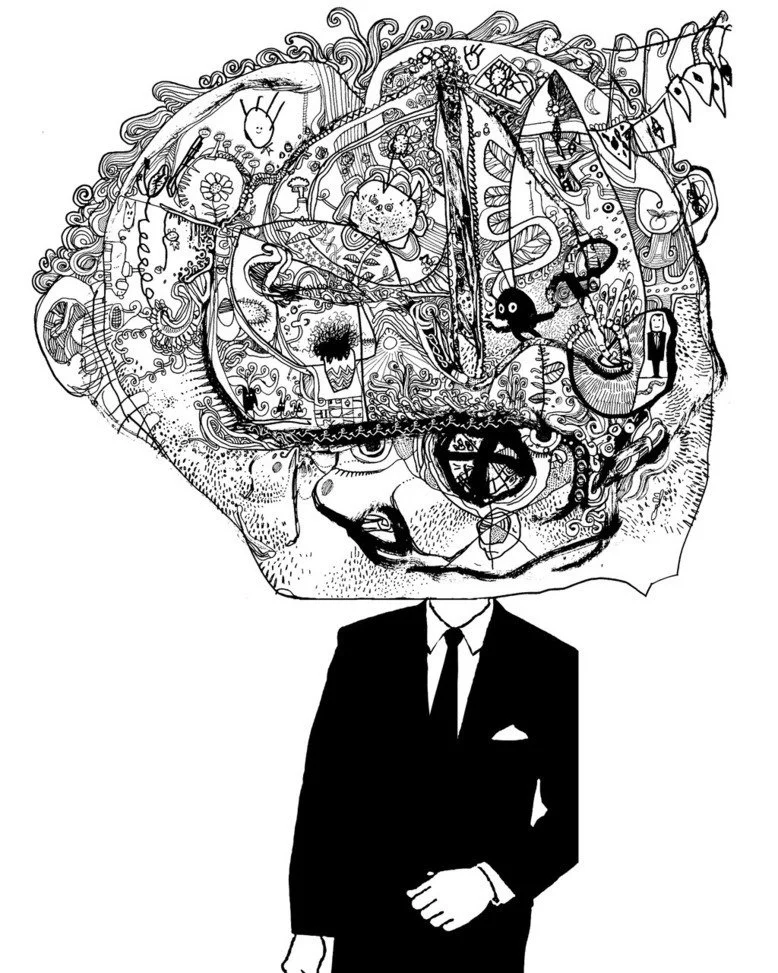
But there’s another perspective—a metaphor of a vortex or whirlpool.

Try to contain it! The whirlpool exists, but it’s elusive. Born in turbulence from colliding a water flow with a rock, it draws energy from the disorder, dispersing it outward.

The more chaos it can endure and disperse, the stronger and longer it lasts. The whirlpool dies when the flow of external energy is depleted or, conversely, rises too sharply.

However, in the latter case, there’s a chance that the destabilized system will self-organize into a new, more complex order in response to the changed environment.

Importantly, from the perspective of the whirlpool, disorder is not evil but beneficial. As one Reddit commentator aptly noted, “Chaos is the water of life.”

The intrigue is that we don’t know our true potential—what novelty will destroy or elevate us. Everything becomes clear only when we look back, having already made a qualitative leap.

Sincerely yours,

-Alexander


About me:
As a business therapist, I help tech founders quickly solve dilemmas at the intersection of business and personality, and boost company value as a result.

How can I help you?
If you've long been trying to understand what is limiting you and/or your business and how to finally give important changes a push, then The Catalyst Session is designed specifically for you. Book it here.


Destroy or Transform? by Alexander Lyadov

I am rereading my favorite sci-fi novel by Isaac Asimov, “The Caves of Steel,” late into the night. There is a profound thought in it:

“The robot said, “I have been trying, friend Julius, to understand some remarks Elijah made to me earlier. Perhaps I am beginning to, for it suddenly seems to me that the destruction of what should not be, that is, the destruction of what you people call evil, is less just and desirable than the conversion of this evil into what you call good.” He hesitated, then, almost as though he were surprised at his own words, he said, “Go, and sin no more!”

The truth speaks through the robot’s mouth. Yet it is not easy to accept.

Our first, most natural impulse is to eliminate evil once and for all. But that’s technically impossible since positive and negative define each other.

The more Yin dominates, the stronger the Yang becomes. In the absolute, one turns into the other. And vice versa.

So, any polarities are parts of a single whole. This means there is a meta-meaning that each polarity cannot grasp. For example:

Evil is the raw material for good.

In other words, it’s a possibility, a puzzle, a hidden potential, a challenge.

Man is a creator, and his role is to turn evil into good. If he refuses this challenge, he wastes his gift by burying it in the ground. But by throwing himself completely into the problem that grabs him, he fulfills himself.

There are two strategies for dealing with evil:

1. Short-term defense strategy. Its goal is to urgently protect those in need. The method is to neutralize manifestations of evil here and now. It’s appropriate when there’s no time, patience, or strength for invention.

2. Long-term development strategy. Its goal is for the harmful factor to bring much good and benefit to people. The method is paradoxical rethinking from a meta-position. This strategy is preferable in all circumstances, at all times.

No wonder the alchemists of the Middle Ages taught:

"In sterquiliniis invenitur", which means: “In filth, it shall be found”.

Sincerely yours,

-Alexander


About me:
As a business therapist, I help tech founders quickly solve dilemmas at the intersection of business and personality, and boost company value as a result.

How can I help you?
If you've long been trying to understand what is limiting you and/or your business and how to finally give important changes a push, then The Catalyst Session is designed specifically for you. Book it here.


The Delusion of a Brilliant Mind by Alexander Lyadov

Some people live solely in their heads. They have a body, but it feels like a burden. If they could, they’d gladly rid themselves of this “bag of meat and bones.” Then their intellect could finally break free.

This is a massive misconception, one that leads them to:

  • Cut short the number of years they can do fruitful work.

  • Swing between manic excitement and deep despair.

  • Limit their intuition and the flow of fresh ideas.

  • Rob themselves of the simple joys of life.

  • Suffer from sudden illnesses and injuries.

  • Risk burning out once and for all.

  • Lose the ability to see the bigger picture.

  • Lose their moral bearings and become spiritless.

  • May break laws, exploit others, inflict pain, and more.

The problem lies in their pride. The mind has devalued the body, which it did not create. A brilliant mind dulls tragically when it rejects the gift of synergy.

“Synergy means behavior of whole systems unpredicted by the behavior of their parts taken separately,” wrote Buckminster Fuller, the American architect, designer, engineer, inventor, philosopher, mathematician, writer, and poet.

The body is not just a body; it’s a bridge, an umbilical cord that connects you to the world. Just as skin feels the wind, the body senses the environment. Sixty-five million years ago, when the first primates had rudimentary minds, their bodies were already doing the work of ensuring survival and growth.

Remember, most processes in the body happen involuntarily, on their own: breathing, digestion, heartbeat, sweating, cell growth, immune system function, tissue regeneration, blood filtration in the kidneys, hormone release, metabolism, maintaining body temperature, protein synthesis, nutrient absorption, blood sugar regulation, DNA repair, and so on.

The greatest minds can do the unthinkable — accept their limits with humility and trust in the synergy between the body and the universe, even if they don't yet understand it.

Sincerely yours,

-Alexander


About me:
As a business therapist, I help tech founders quickly solve dilemmas at the intersection of business and personality, and boost company value as a result.

How can I help you?
If you've long been trying to understand what is limiting you and/or your business and how to finally give important changes a push, then The Catalyst Session is designed specifically for you. Book it here.
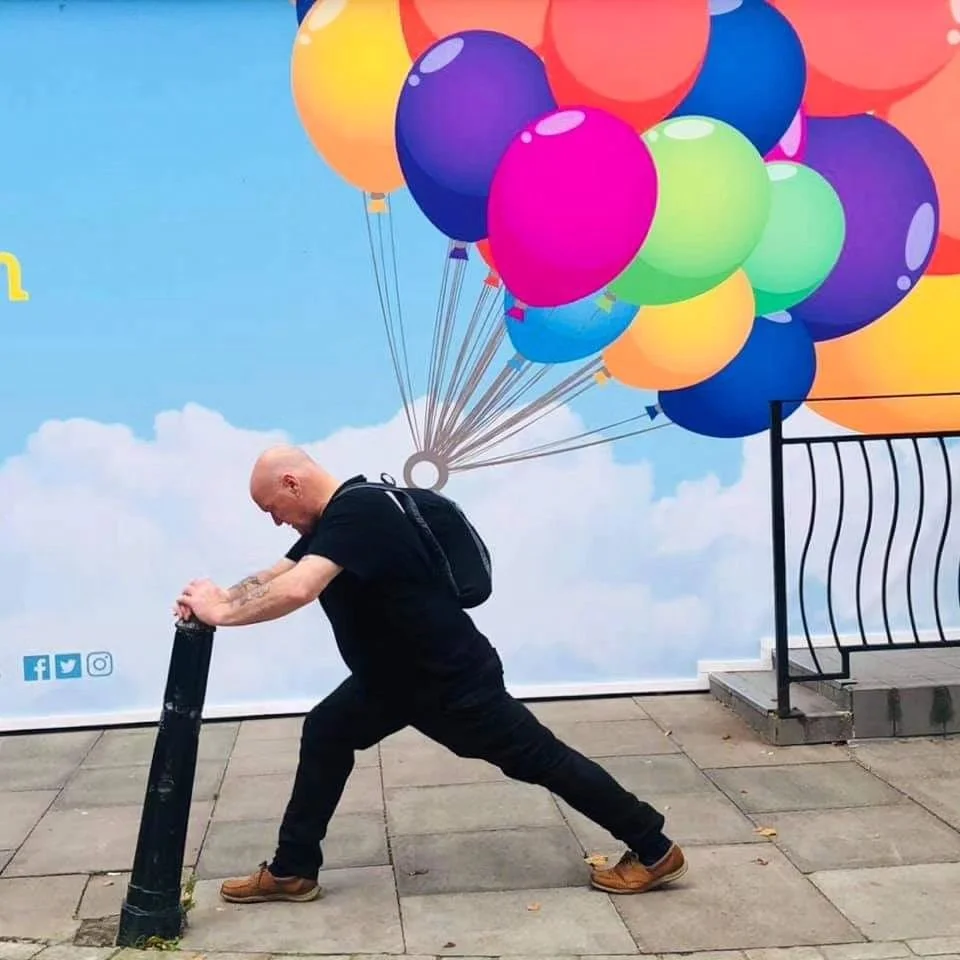

Bull's Eye by Alexander Lyadov

Tropical cyclone Sam swirling over the Indian Ocean in an image taken by astronaut Bonnie Dunbar from space shuttle Columbia, 1990. LIFE Picture Collection

When the power goes out in the evening, I'm not sad. No more temptation to go online, check the news, or get some work done.

This day is already over, and the new one isn’t born yet. The world has forgotten about me. I’ve forgotten about it too. This brief moment “in-between” is filled with freedom.

I sit in the dark, looking out from the 13th floor at my beloved Kyiv. My hair is ruffled by the draught, and my thoughts by the witty philosopher Alan Watts.

How does it feel? Like a skydive, a psychedelic trip, or your first sex. The anxiety of “How will it be?” is behind you, and ahead is the effort to grasp: “What was that?” There is a ringing silence between the sky and the earth.

The eye of a hurricane, or the bull’s eye — a space of clarity and calm in the center of a tropical cyclone [Wiki]. The stronger the cyclone, the brighter the sunlight, the lower the pressure, and the quieter the wind in the “pupil.” There is peace, and there is not.

Meanwhile, the surrounding world spins more fiercely, like a dervish in an ecstatic trance:

  • the shaking of the global order,

  • the impotence of international institutions,

  • the spiritual decline of Western culture,

  • the madness of COVID and AI,

  • and the burning fuse of wars.

But reading history, you see how often the world has already walked on the edge. The storms came, and the ship listed to one side — then to the other. But every time, somehow, a miracle happened at the last moment.

God still loves humanity, despite all its attempts to kill and forget Him.

Sincerely yours,

-Alexander


About me:
As a business therapist, I help tech founders quickly solve dilemmas at the intersection of business and personality, and boost company value as a result.

How can I help you?
If you've long been trying to understand what is limiting you and/or your business and how to finally give important changes a push, then The Catalyst Session is designed specifically for you. Book it here.

Your Light Needs Dark by Alexander Lyadov

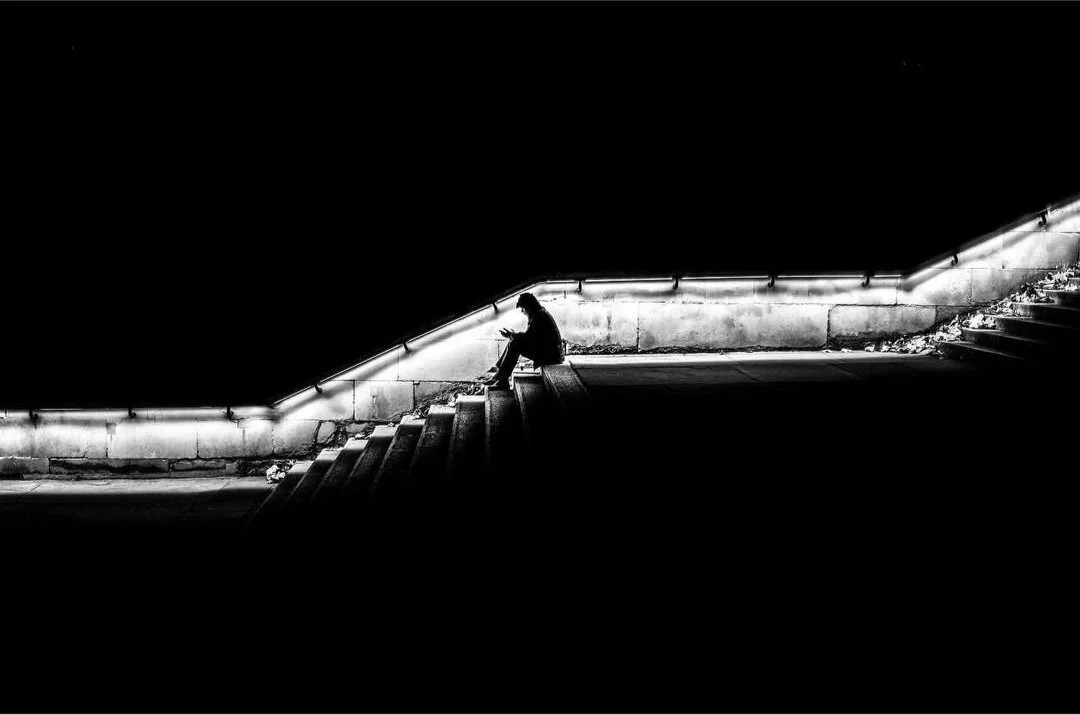
The more you fight the shadow within, the stronger it becomes.

It’s like striving for perfect service in business—you can’t achieve it because the cost doesn’t just rise linearly, it grows exponentially.

Imagine you are the leader of the forces of light. Your goal is not just to defeat the forces of darkness, but to erase them completely, to make them forgotten forever.

Alright, say you succeed. What happens next?

The idea of "light" instantly loses its meaning. Light exists only as long as there is darkness. They are like communicating vessels, front and back, two sides of the moon.

Now there are no players and no chess game to play. Life stands still. Vitality fades.

Unfortunately, fighting your rejected part only weakens you.

The alternative is an act of humility — admitting you are a mystery to yourself:

  1. Consider that the shadow might hold some hidden meaning.

  2. At a comfortable pace explore this unknown part of yourself.

  3. Be surprised by the function it actually serves.

  4. Find a balance of all your forces that feels right for you.

  5. Channel your combined light and dark powers into a worthy cause.

Sincerely yours,

-Alexander


About me:
As a business therapist, I help tech founders quickly solve dilemmas at the intersection of business and personality, and boost company value as a result.

How can I help you?
If you've long been trying to understand what is limiting you and/or your business and how to finally give important changes a push, then The Catalyst Session is designed specifically for you. Book it here.


Where to Buy Years of Life? by Alexander Lyadov

"The amount of exercise you need to get massive benefits is such a small, I call it a disgustingly small amount, but it really is. Four minutes of vigorous activity per day reduces cancer risk by, I believe, 20%. And if you got up to 10 minutes, I think it was 30%," ​says Dr. Layne Norton​.

"Just 1-2 minutes of vigorous physical activity three times a day can lower the risk of cardiovascular death by 50% and all-cause mortality by 40%,” ​explains Dr. Rhonda Patrick​.

Imagine that! With just a few minutes of effort, you can “buy” years of life.

We’re not talking about grueling marathons, living on the tatami, or puking into a CrossFit bucket. Leave that to elite athletes who pay for golden seconds with such sacrifices.

All we ordinary people need is already within our reach. It's only ignorance that keeps us from being far healthier and stronger.

There’s also a strange tendency to overcomplicate everything. As if the best solutions are only available to demigods—rulers, aristocrats, billionaires, and the winners of the genetic lottery.

Ironically, the most important things in life are free for all:

  • Sleep.

  • Sunshine.

  • Physical activity.

  • Water and simple food.

  • Close relationships.

  • Interesting work.

  • Spirituality.

Sincerely yours,

-Alexander


About me:
As a business therapist, I help tech founders quickly solve dilemmas at the intersection of business and personality, and boost company value as a result.

How can I help you?
If you've long been trying to understand what is limiting you and/or your business and how to finally give important changes a push, then The Catalyst Session is designed specifically for you. Book it here.


The Root of the Root Cause by Alexander Lyadov

People often say, "A chain is only as strong as its weakest link," pointing to what they think is the root of the problem. Technically, they’re right — that’s where the system is weak. But it's important to ask, why is it thinning in that spot?

For example, I spent over a year trying to heal an injury — medial epicondylitis, also known as wrestler's or golfer's elbow. I tried a ton of treatments and worked hard to strengthen the obvious "weak spot" — my forearm. But nothing worked.

One day, I stumbled across a rehab ​program​ where specialists explained that elbow tendons become vulnerable when the shoulder and back muscles are underdeveloped. The forearms end up bearing all the load and suffer as a result.

So, I began strengthening my back and shoulders, and within two or three months, I was healed.

The same thing happens in business. Imagine a CEO saying, “I’ve got a weak leadership team. We need a coach to make them stronger.” Going down that path is like throwing the company’s money away.

The weak spot isn’t in the team; it’s further upstream — in the CEO.

If the CEO's decisions are ineffective, the team strains to make up for them. Overtime and self-sacrifice for clients and colleagues become the norm. A breakdown is inevitable.

Instead of systemic business, there is local heroism.

Even if executives figure this out, there’s nothing they can do. All the reins are in the CEO’s hands. For real change, the leader must get tired of putting out fires, and hitting a glass ceiling.

The leader's mindset is the biggest obstacle to growth. But that’s good news because it’s the easiest limitation to remove. All it takes is the CEO's willingness to start any change with himself.

Sincerely yours,

-Alexander


About me:
As a business therapist, I help tech founders quickly solve dilemmas at the intersection of business and personality, and boost company value as a result.

How can I help you?
If you've long been trying to understand what is limiting you and/or your business and how to finally give important changes a push, then The Catalyst Session is designed specifically for you. Book it here.
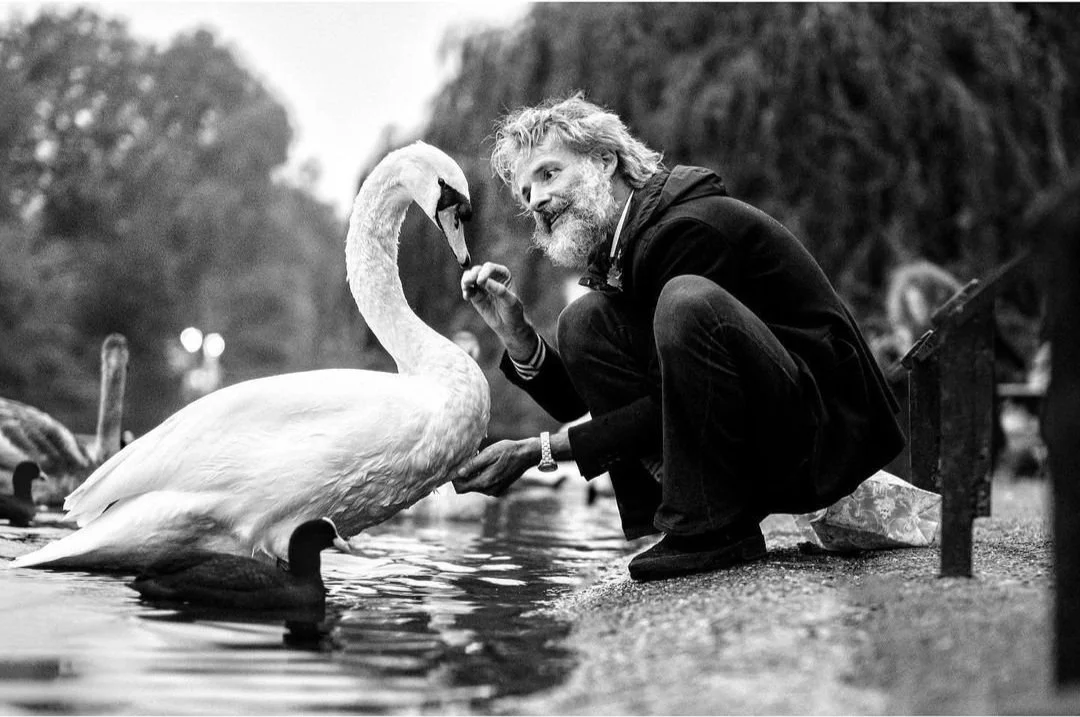

Beyond Polarities by Alexander Lyadov

Opposites define each other. You can't say "light," "easy," or "truth" without implying "dark," "heavy," or "lie." Otherwise, it makes no sense.

And while polarities seem locked in fierce conflict, their very existence depends on the presence of their counterpart. But what if there is none?

Let's say I declare myself to be Order. Soon enough, I'll start to feel uneasy, restless, and bored. Everything seems perfect, yet something is missing.

To fill this void, I must proclaim to someone, "You are Chaos." A struggle may follow, but within it, there's energy, movement, and goal.

In the beginning, there was nothing, and then I created something. If you add a cathode to a solution with an anode, you get a directed flow of particles. This transfer of energy allows for creation and destruction of anything.

It turns out that polarities have meaning not in themselves or their conflict, but as part of a greater meta-process that surpasses them both.

So, perhaps the polarities did not initiate the Process (and certainly not me).

On the contrary, the Process came first—it gave birth to everything.

But this also means that opposites are the same phenomenon. Their endless struggle is like a mother's labor contractions, pushing new life forward.

Sincerely yours,

-Alexander


About me:
As a business therapist, I help tech founders quickly solve dilemmas at the intersection of business and personality, and boost company value as a result.

How can I help you?
If you've long been trying to understand what is limiting you and/or your business and how to finally give important changes a push, then The Catalyst Session is designed specifically for you. Book it here.


Heraclitus Was Right? by Alexander Lyadov

Carl Jung wrote: "Old Heraclitus, who was indeed a very great sage, discovered the most marvellous of all psychological laws: the regulative function of opposites. He called it enantiodromia, a running contrariwise, by which he meant that sooner or later everything runs into its opposite."

Examples are everywhere:

  • The knight in shining armor becomes the dragon.

  • The victim dreams of swapping places with the oppressor.

  • Radical liberalism turns into totalitarianism.

  • Excessive tightening of screws leads to social explosion.

  • A mother’s desire to protect her child robs him of survival skills.

In this sense, enantiodromia is a warning. If you, your company, or society have drifted to any extreme, expect trouble. A ship is most vulnerable in stormy seas when it’s tipped to its side.

Buddhism speaks of the “middle path.” It means, for example, finding a golden balance between asceticism and indulgence. At first, Buddha mortified his flesh but realized it was a dead end.

A more interesting interpretation of the “middle path” is the unity of opposites. A paradoxical solution dissolves opposition completely. A conflict at one level is harmony at another.

This brings hope because suffering is not meaningless. Over time, enantiodromia will set everything in its place. “The fool who persists in his folly will become wise,” wrote the poet William Blake.

Jung explains: “The grand plan on which the unconscious life of the psyche is constructed is so inaccessible to our understanding that we can never know what evil may not be necessary in order to produce good by enantiodromia, and what good may very possibly lead to evil.”

So we don't have to avoid what is frightening or repulsive in ourselves.

The oak strength of our personality is nourished by manure-rich soil.

Sincerely yours,

-Alexander


About me:
As a business therapist, I help tech founders quickly solve dilemmas at the intersection of business and personality, and boost company value as a result.

How can I help you?
If you've long been trying to understand what is limiting you and/or your business and how to finally give important changes a push, then The Catalyst Session is designed specifically for you. Book it here.


Freeing Attitude by Alexander Lyadov

Clients sometimes trust me with things about themselves that no one else knows.

Why is this a secret? To them, it seems strange, ridiculous, terrible, and so on. But with my attitude, I prove to them: "It's not like that at all — in fact, there's normalcy, harmony, and beauty hidden in it."

This isn't some psychological trick; I truly believe this.

My certainty comes from personal experience, which I've lived through many times. It’s not a game of the mind, but a reality embodied in the flesh. Once you feel it within yourself, you can never forget it.

What I once thought was nonsense and filth in myself turned out to be a nugget of gold.

Without a psychotherapist, I wouldn't have been able to undergo such a metamorphosis. And believe me, I've tried every method, from the conventional to the exotic. None of it was in vain, but a Significant Other radically sped up the synthesis.

American philosopher and psychotherapist Eugene Gendlin said: "Most people have no one who will hear and receive their own inward experience just as it is. No one wants to know exactly how you experience your personal struggle. Everyone wants to edit it, change it, improve it, put his or her meaning onto it. Another person is a very powerful aid in letting one's feelings and meanings open up and develop through steps, but only if that other person can listen."

To see yourself without distortion and accept it — that's renewal.

Our perception of the “bogeyman” in ourselves only changes when we feel someone else's interest, admiration, and love for him. Just like after a season of drought, all of nature awakens with the first drops of rain, heralding a new cycle of life.

The more fully we accept ourselves, the more readily we accept others. Like a living chain, we pass on the fire that warms and frees us.

Sincerely yours,

-Alexander


About me:
As a business therapist, I help tech founders quickly solve dilemmas at the intersection of business and personality, and boost company value as a result.

How can I help you?
If you've long been trying to understand what is limiting you and/or your business and how to finally give important changes a push, then The Catalyst Session is designed specifically for you. Book it here.


Beyond the Grind by Alexander Lyadov

壺阪寺 Tsubosaka Dera Temple, Japan

Motorcycles, jiu-jitsu, and self-defense—every coach says the same thing:

When dodging an obstacle, look past it to the next cone.

During a throw, keep your eyes where your opponent should land.

When striking an opponent, aim not at his body, but through it.

Sounds strange, right? But experience proves these ideas work.

A motorcycle goes where your gaze is fixed. Focusing on the nearest obstacle leads to a crash. But if your eyes are set on a distant goal, your body maneuvers around the cone. How? It’s a mystery.

A throw usually demands your all. Otherwise you can’t overcome your opponent’s resistance. Mind, psyche, and muscle align when you focus on the end goal.

When you hit an opponent's body, it's as if you're holding yourself back. But if your fist is set to pierce his body through, the damage multiplies.

Now, apply this insight to business.

When do problems arise? For instance, when the founder and the team get too caught up in the grind. Issues spread like wildfire. That’s when the big picture is lost.

All it takes is a slight shift in focus. Start with the founder. He was, is, and will be the starting point for any transformation.

Once the founder remembers the bigger goal, miracles start to happen:

  • Key decisions are made and implemented faster.

  • Employees communicate better and argue less.

  • The list of investment projects cleans itself of nonsense.

  • Frustrating problems turn into valuable opportunities.

  • A drive awakens - not just to survive, but to win and thrive.

What's the takeaway?

Your business doesn't need millions in investment, AI integration, government support, or top managers with Harvard MBAs. All that is secondary.

What matters most is how you use what you already have:

Where are you directing your most precious asset—your attention?

Sincerely yours,

-Alexander


About me:
As a business therapist, I help tech founders quickly solve dilemmas at the intersection of business and personality, and boost company value as a result.

How can I help you?
If you've long been trying to understand what is limiting you and/or your business and how to finally give important changes a push, then The Catalyst Session is designed specifically for you. Book it here.