
When Does Growth Occur? by Alexander Lyadov

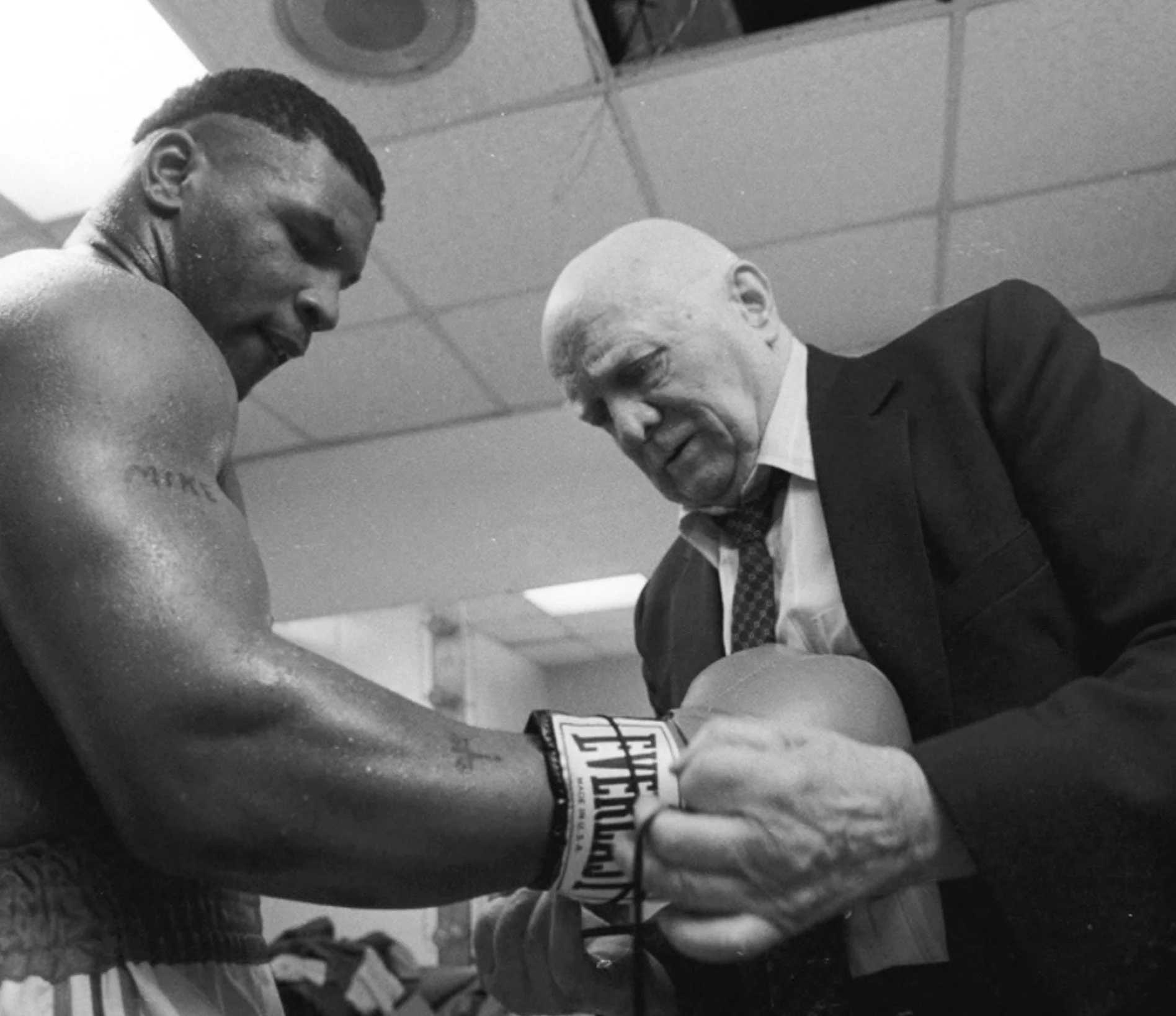
"You get fitter not during your workouts but rather after your workouts, in between your workouts."

The words of ​Andrew Huberman​, a professor of neurobiology at Stanford, sound paradoxical. After all, each of us remembers the excitement of trying a new sport, studying an important subject, or starting a job at a new company. In the hope of reaching the pinnacle as quickly as possible, we were willing to work tirelessly around the clock.

But by exerting stress on our bodies, we damage them. Immediately after a workout, we experience an extremely high level of inflammation, oxidative stress, and autophagy, which is the process of removing damaged cells. Fortunately, there is a phenomenon called homeostasis, which allows the body to constantly strive to restore its internal balance, overcoming resistance from the external environment. Anticipating that stress may occur again in the future, the body is compelled to change so that it becomes indifferent at the new level of equilibrium.

Essentially, this is a cycle of creative destruction and creation. Sacrifice something and progress will halt. The workload must be serious, that's clear. But rest is important not because it's enjoyable, but because it's during this phase that repair, adaptation, and growth occur. That's why, for example, Andrew Huberman suggests spending five minutes with your eyes closed after studying or working out. Like playing the game Tetris, this helps optimally arrange the fragments of new knowledge and skills in your mind.

You may be surprised that by training less frequently, you will actually get closer to your desired goals.

Yours sincerely,

-Alexander


You can help Ukraine defend itself and the World from Russian aggression here.


”Who are you and what do you do?"
As a business therapist, I help tech founders quickly solve dilemmas at the intersection of business and personality, and boost company value as a result.

"I have an important business decision to make. Can you help me?
Reserve a time on my calendar that is convenient for you to meet with me. We'll clarify your request and discuss options for how you can help.

Beyond the Tangible by Alexander Lyadov

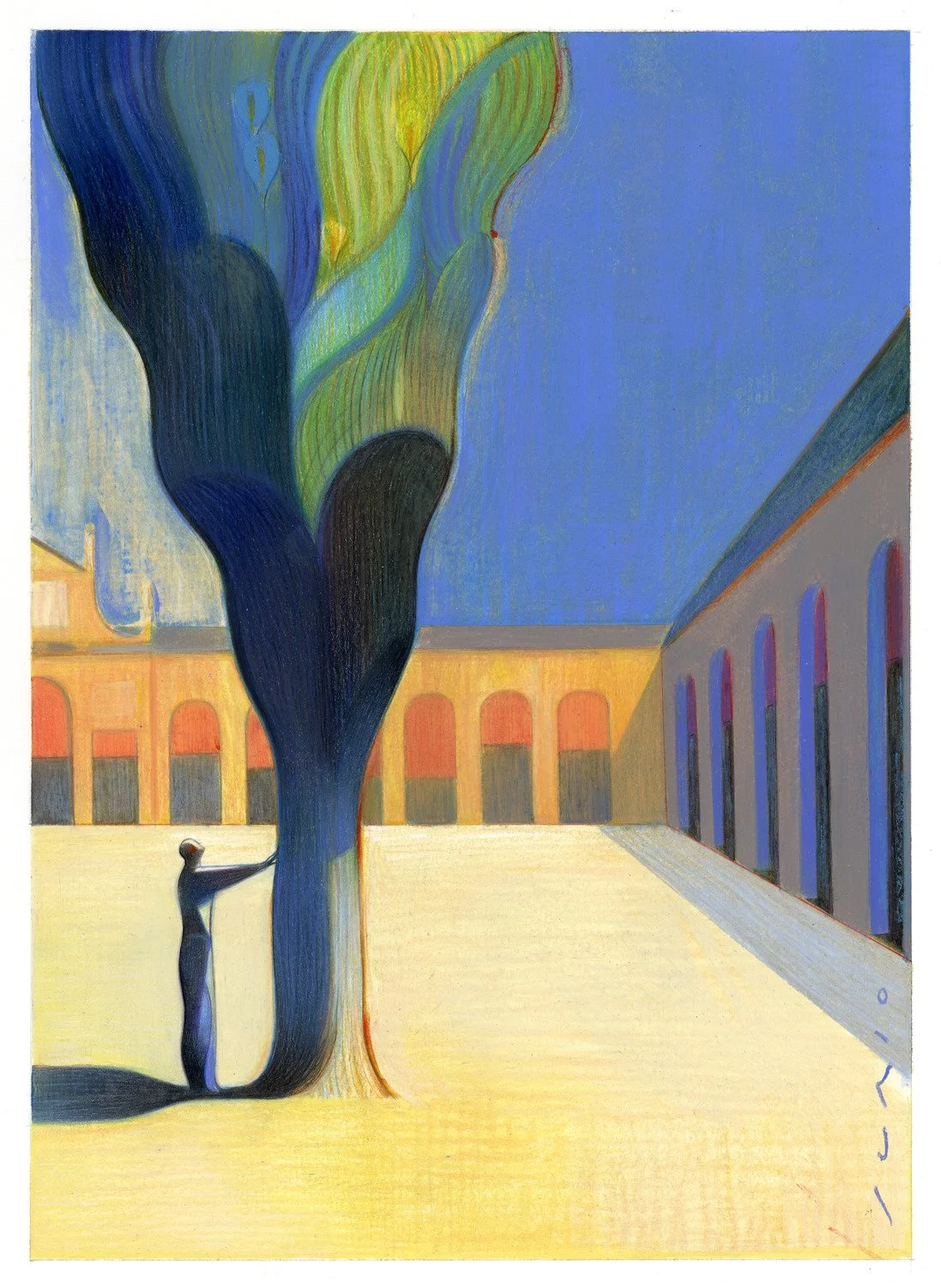
Someone will insist that there's nothing in this picture.

But you will surely laugh and say, "Come on! There are plenty of objects here!"

In the same way, the gaze of a master differs from that of a novice. The latter notices and values only what is tangible and literal, ignoring everything else. Every phenomenon needs to be held, measured, or treated with acid for the novice to admit, "Yes, this thing actually exists."

The word "reality" holds a different, broader meaning for the master. Through the celestial palette, they foresee an impending storm. By the engine's squeak, they recognize a breakdown and diagnose based on what the patient doesn't say.

An expert discerns the function through a barely perceptible pattern, rather than an obvious form. Thanks to this, there's a chance to prevent, preserve, or improve something. The advantage of the implicit state lies in its flexibility, allowing for much to be accomplished.

In this sense, entrepreneurs are intriguing because their activities often appear incomprehensible, dangerous, and foolish to those around them. It's obvious to the onlookers that there's nothing valuable where founders are searching. They fail to realize that founders are weaving a pattern with light and transparent threads, which will eventually gain strength and color. The paradox lies in the fact that the further entrepreneurs peer into the future, the more alone they feel on the road to it.

Yours sincerely,

-Alexander


You can help Ukraine defend itself and the World from Russian aggression here.


”Who are you and what do you do?"
As a business therapist, I help tech founders quickly solve dilemmas at the intersection of business and personality, and boost company value as a result.

"I have an important business decision to make. Can you help me?
Reserve a time on my calendar that is convenient for you to meet with me. We'll clarify your request and discuss options for how you can help.


Self-Inadequacy Paradox by Alexander Lyadov

Unfortunately, we are inadequate when it comes to ourselves.

That is, we either coddle ourselves too much or we hurt ourselves too much.

At the beginning of the training, the rehab specialist made me do 200 squats in a row. Then followed a series of exercises for balance, endurance, and strength. Considering that I had knee surgery just a week ago, I would have spared my joint and never chosen such a load. The rehab specialist explained that it was a false mercy because it will only prolong the period of returning to physical fitness.

Another extreme example is familiar to every novice athlete. Dreaming of becoming a champion as quickly as possible, they train three times a day without taking a break. But soon they reach a so-called plateau, and injuries occur more often. That's why the best coaches in the world unanimously say that for skill, strength, or mass growth, the volume of work done over the year is more important than intensity.

In my business therapy with entrepreneurs, I observe the same phenomenon. Sometimes they harshly criticize themselves in situations where objectively even a superhero couldn't have done more. And sometimes, on the contrary, they try to avoid honest discussions about sensitive topics that touch their ego. As a result, costly mistakes are made again, hindering the growth of their business.

Thinking about my rehab specialist, psychotherapist, and business coach, the only thing I regret is not reaching out to each of them many years ago.

Yours sincerely,

-Alexander


You can help Ukraine defend itself and the World from Russian aggression here.


”Who are you and what do you do?"
As a business therapist, I help tech founders quickly solve dilemmas at the intersection of business and personality, and boost company value as a result.

"I have an important business decision to make. Can you help me?
Reserve a time on my calendar that is convenient for you to meet with me. We'll clarify your request and discuss options for how you can help.

The Joy of Unleashing Potential by Alexander Lyadov

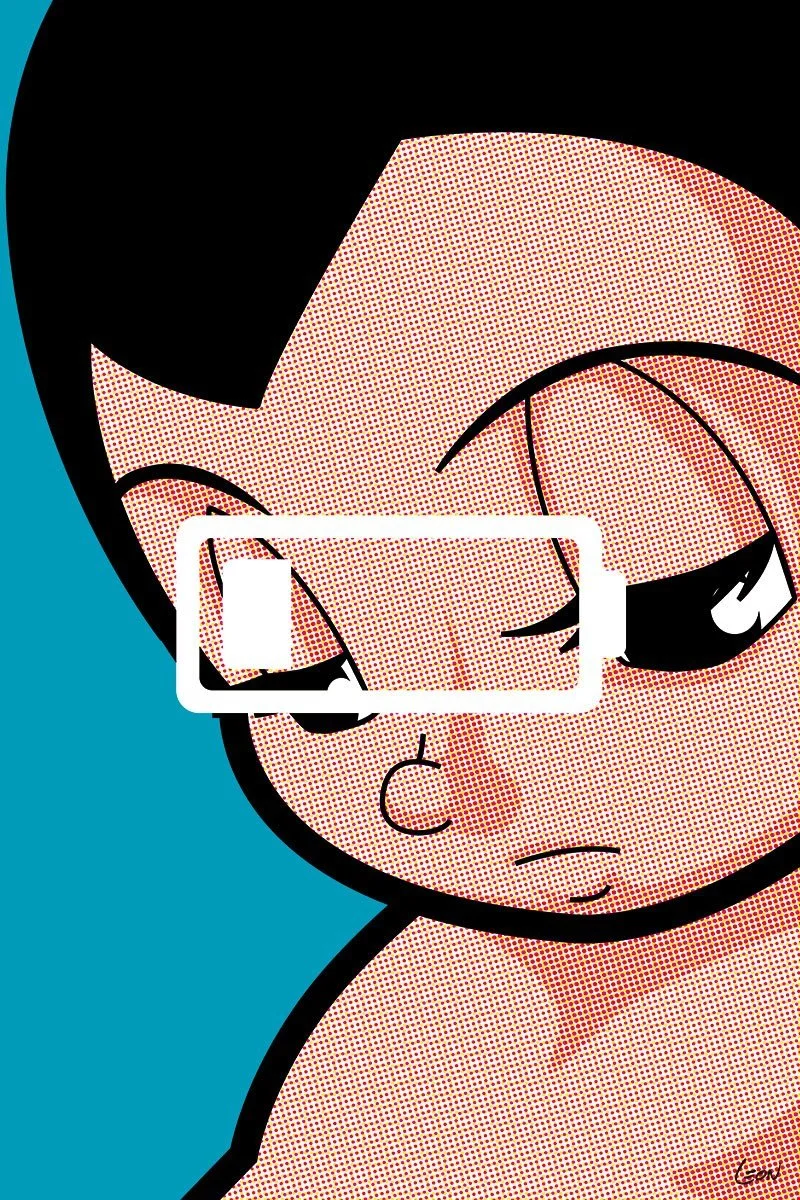
I've always been fortunate in life to have teachers.

Some of them didn't even realize their role.

One word or action from them was a precious lesson.

They offered it to everyone, but not everyone was willing to accept it.

When I found a teacher, I absorbed the insights with my whole being.

Seeing such eagerness, teachers were even more willing to share with me.

Later, when I started helping people with advice, I understood why.

There's nothing quite like the joy of witnessing, let alone being part of, the realization of someone's or something's potential.

Any gardener, trainer, master, or coach will confirm this for you.

Under what conditions is the unleashing of potential maximized?

Firstly, the teacher must be mature and fulfilled in his own field so as not to be envious of the student.

Secondly, the student must know how to accept with gratitude what is given to him, humbly acknowledging how little he still understands.

And in your life, is there someone who genuinely wishes for you to grow?

Yours sincerely,

-Alexander


You can help Ukraine defend itself and the World from Russian aggression here.


”Who are you and what do you do?"
As a business therapist, I help tech founders quickly solve dilemmas at the intersection of business and personality, and boost company value as a result.

"I have an important business decision to make. Can you help me?
Reserve a time on my calendar that is convenient for you to meet with me. We'll clarify your request and discuss options for how you can help.
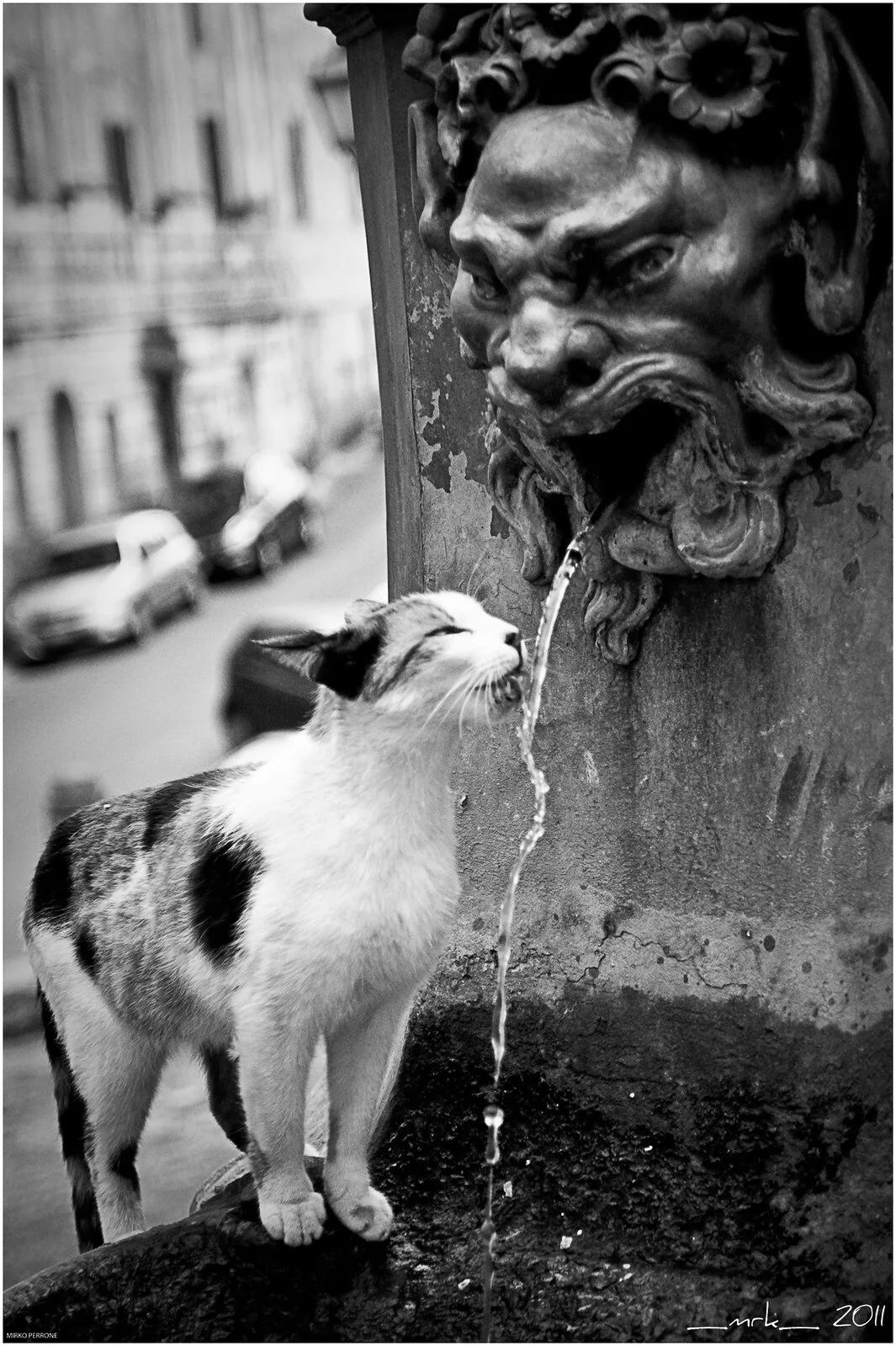

Are You Ready For the Flood? by Alexander Lyadov

Reuters/Eduardo Munoz

Passersby laughed when they saw 25,000 sandbags piled in front of the entrance to Goldman Sachs headquarters in autumn 2012. The next day, the laughter died down as Hurricane Sandy flooded New York City, knocking out the city's electricity and wreaking havoc.

The photo of the brightly lit Golden Sacks skyscraper against the rest of the empty and dark buildings was a clear illustration of who was prepared for the unexpected and who was caught off guard by it.

“We learned a lot from 9/11, so when we built our building, we built it with a lot of redundancy, and a lot of backup power, and obviously invested a lot in testing and preparation and resilience in planning,” — Goldman CEO Lloyd Blankfein explained to New York magazine. Remarkably, such prudence, rather than admiration, has prompted a barrage of criticism along the lines of, "The fact that the NYU hospital is dark but Goldman Sachs is well-lit is everything that’s wrong with this country".

Investor ​Jeremy Giffon​ explained why this is his favorite business photo: "It's amazing that they built the building long before and were like, we're not going down. Like Goldman Sachs does not die. And I think that's probably some kind of deep entrenched thing in their DNA. You would ask, you can see other banks in that picture, why weren't they built with generators? What culture went into one bank doing that and the others not doing that?"

Defending against catastrophic risk always seems silly and inappropriate while things are going well. And to calmly withstand a shock, you have to create redundancy in the system in advance. Which from a day-to-day operational perspective seems criminally inefficient, especially when cash resources are limited.

Investing in linear scaling of a profitable model is easy, due to the short feedback loop. It is psychologically difficult to invest in defence against a force majeure that may never come. But it is precisely this kind of strategic foresight on the verge of paranoia that distinguishes the founders and CEOs of those companies that not just survive but thrive in a crisis. This is the area of non-linear investments and asymmetrical results. There is no simple formula here; it is already an art.

Yours sincerely,

-Alexander


You can help Ukraine defend itself and the World from Russian aggression here.


”Who are you and what do you do?"
As a business therapist, I help tech founders quickly solve dilemmas at the intersection of business and personality, and boost company value as a result.

"I have an important business decision to make. Can you help me?
Reserve a time on my calendar that is convenient for you to meet with me. We'll clarify your request and discuss options for how you can help.
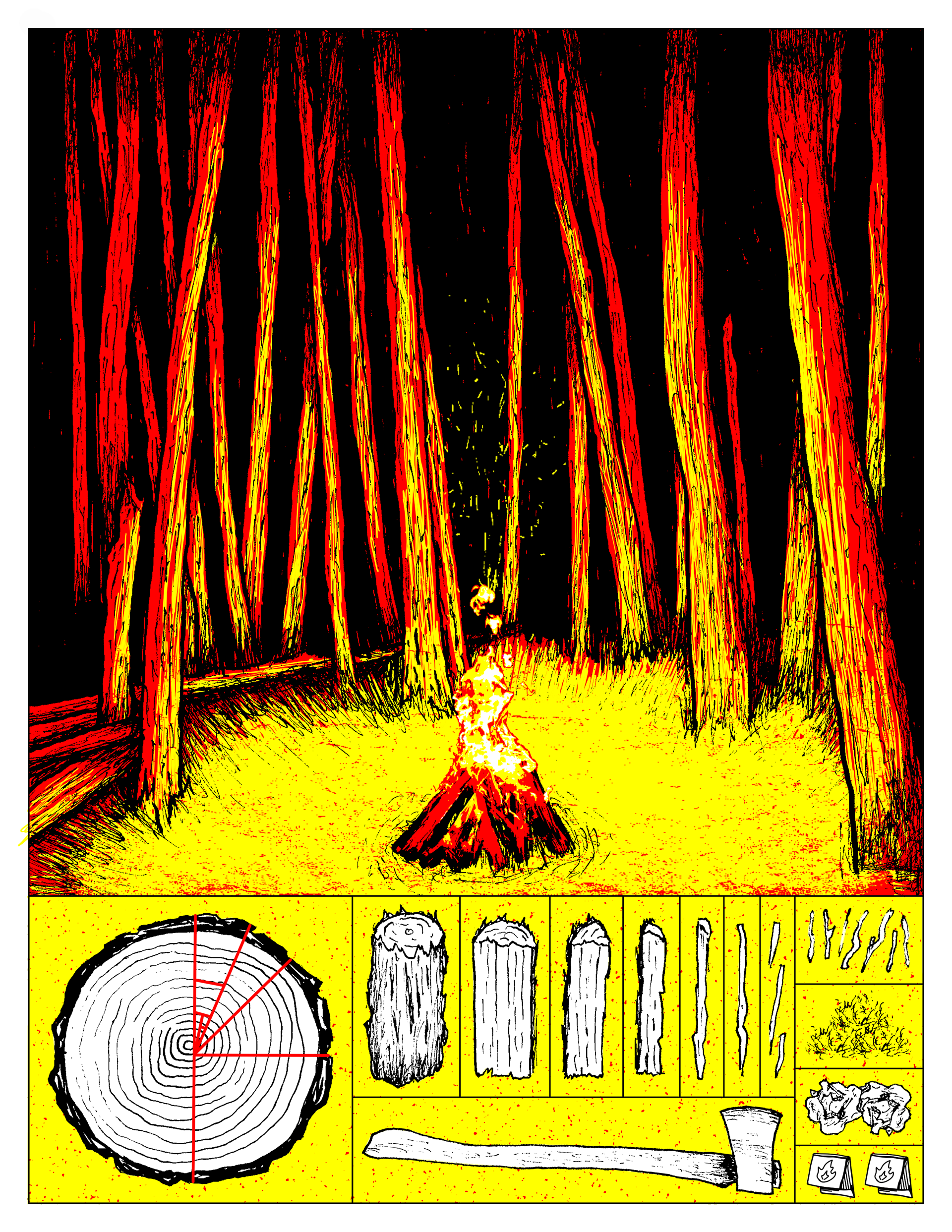

Energy Thieves by Alexander Lyadov

Recently, I regretted ordering food delivery from a restaurant. No, it was prepared just fine. Perhaps even delicious.

But quickly my head started to ache, and I lost the energy to do anything. It felt like the effect of a strong cup of coffee, but with a minus sign instead of a plus.

I was surprised, like, "Wow! Food can be an energy thief too." Oh, how naive! How is food any different from ideas, people, and events?

What you don't let in will inevitably demand energy from you. Ideally, this process should give us more energy than we invest.

However, sometimes we are careless about depressing news, parasitic ideas, and vampire people. We trustingly allow terrorists aboard our own airplane.

Usually, the price for a mistake is small, like in the example with restaurant food. Yes, but what if we do this constantly without even realizing it? No wonder there's no energy left for truly important things.

If that's the case, then the problem doesn't lie in health, age, or the environment, and the source of energy shouldn't be sought in supplements, vacations, or stimulants. We simply need to stand firm in defending our boundaries, double-checking every incoming stimulus: "Do I really need This?"

Yours sincerely,

-Alexander


You can help Ukraine defend itself and the World from Russian aggression here.


”Who are you and what do you do?"
As a business therapist, I help tech founders quickly solve dilemmas at the intersection of business and personality, and boost company value as a result.

"I have an important business decision to make. Can you help me?
Reserve a time on my calendar that is convenient for you to meet with me. We'll clarify your request and discuss options for how you can help.
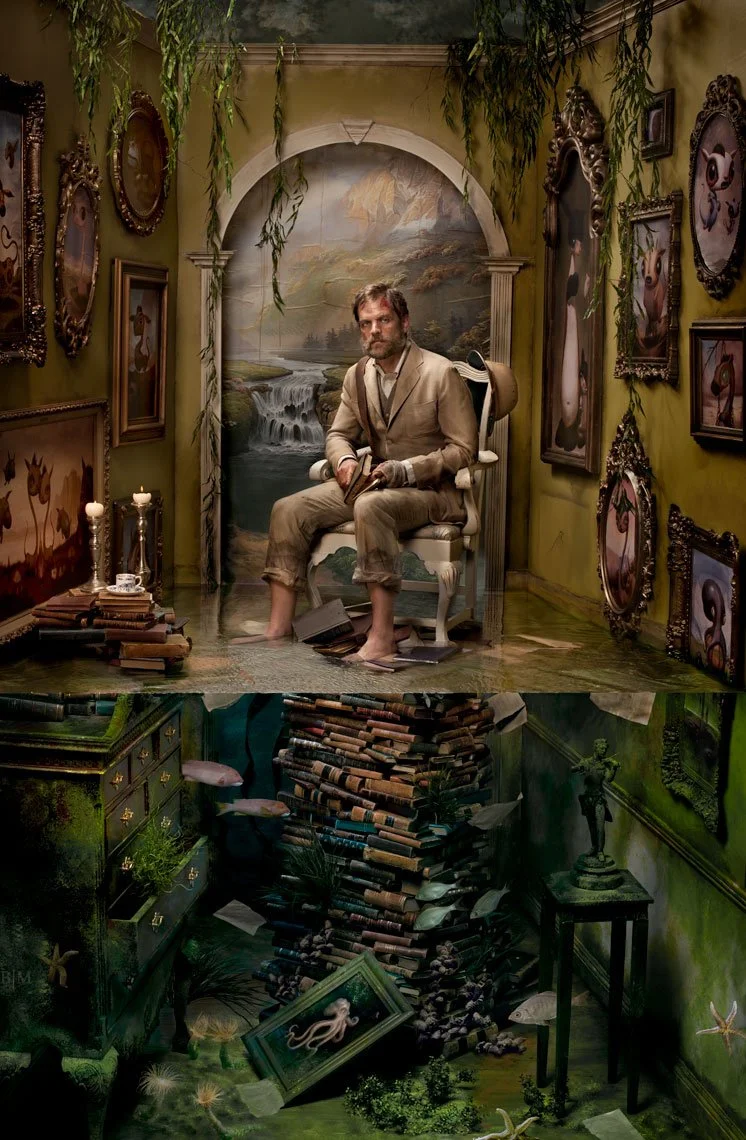

Opportunity vs Danger by Alexander Lyadov

What do opportunity and danger have in common?

Both are born from chaos and carry inherent risks.

When everything is predictable, there is no fear, and nowhere to grow.

Well then, what sets them apart?

The opportunity presents an infinite upside and a limited downside.

Danger, however, can easily destroy you, but it can't enrich you.

No wonder why people have different perceptions of the same event.

Some are confident they'll benefit from X, while others panic: "I am toast!"

Hmm, what allows the former to spot opportunity in danger?

First, vigilance, ensuring no surprise ambush.

Second, experience in dealing with various kinds of novelty.

Third, the ability to see any phenomenon through multiple conceptual lenses.

Sounds like a plan for what to work on within oneself.

Yours sincerely,

-Alexander


You can help Ukraine defend itself and the World from Russian aggression here.


”Who are you and what do you do?"
As a business therapist, I help tech founders quickly solve dilemmas at the intersection of business and personality, and boost company value as a result.

"I have an important business decision to make. Can you help me?
Reserve a time on my calendar that is convenient for you to meet with me. We'll clarify your request and discuss options for how you can help.

Let the Fire Burn by Alexander Lyadov

How to get a Wow product from a designer? Explain your problem and shut up.

I intuitively came to this conclusion 28 years ago. I think that's why my career in the advertising industry has been successful. As a result, I became a co-founder of a group of companies and the CEO of an agency that was twice recognized as the most creative and innovative in Ukraine.

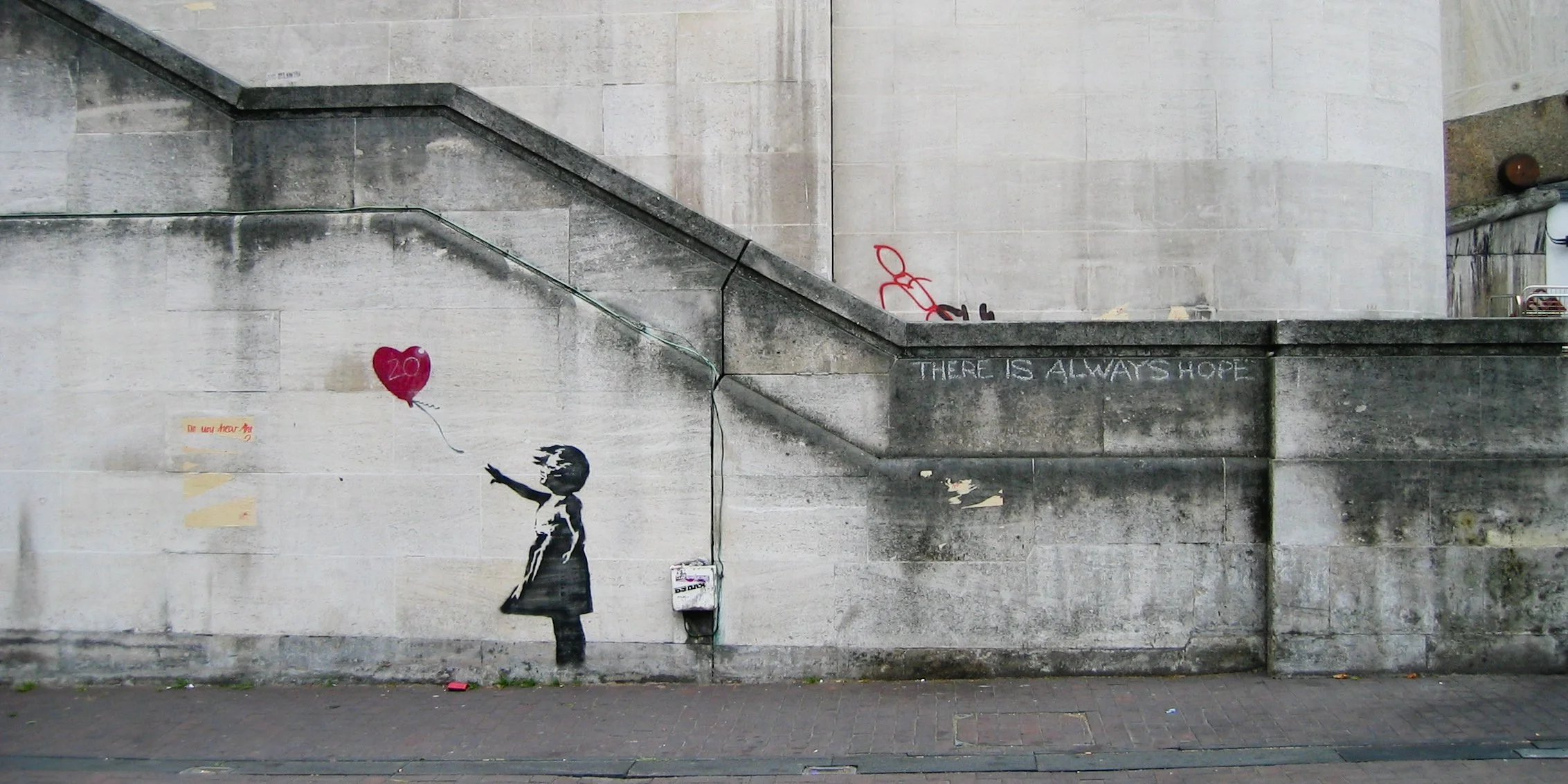
The brain of a creative person is like a bonfire. If you throw wet twigs and plastic into it, it will start to choke, smolder, and cough. But with coal and dry logs, the bonfire becomes a gigantic blaze that warms, nourishes, and safeguards everyone.

I immediately noticed a direct correlation between a breakthrough idea and a clearly formulated task. That's why I stopped being lazy and started investing time and effort into every creative brief. I also realized that it would be foolish of me to explain the process of oxidation to fire. Naively interfering in the creative realm only resulted in burns for me and turned the advertising product to ashes.

However, the more I focused on the quality of the questions going in and the answers coming out, the more often Mr. Market exclaimed, "Wow! Your team has managed to surprise me again!"Yours sincerely,

-Alexander


You can help Ukraine defend itself and the World from Russian aggression here.


”Who are you and what do you do?"
As a business therapist, I help tech founders quickly solve dilemmas at the intersection of business and personality, and boost company value as a result.

"I have an important business decision to make. Can you help me?
Reserve a time on my calendar that is convenient for you to meet with me. We'll clarify your request and discuss options for how you can help.


The Poisonous Pleasure by Alexander Lyadov

"I don't like dealing with back problems, especially the chronic ones," said the experienced rehabilitation specialist. He explained that the cause of the illness usually comes from the patient's lifestyle. Hardly anyone is willing to change it, which makes his help almost useless. "That's so true!" I thought, "It's the same story in the business world."

Certain entrepreneurs and CEOs seem to think, "I'll keep harming my body, but give me a pill to cure it so I can keep enjoying the harm." For instance, a business owner complains about managers not taking initiative, conflicts between departments, profits going down, and a lack of new ideas. The analysis shows that in the company, the balance of responsibility and authority is messed up, and there's no clear leader. The owner listens carefully to the conclusions, nodding in agreement... but doesn't rush to fix the situation.

The rehabilitation specialist explained why. The company's problems didn't just appear out of nowhere. A therapist might say that the owners get some secondary gains from the way things are. Although they say they're ready for business growth, deep down, they secretly enjoy this chaotic state.

Every founder's personality has its own secret. Some control people like this, others repeat patterns from their families, and some hold onto their old beliefs. It's really important to understand that help only makes sense when reality corners the founder: "Does your pleasure really justify losing your entire business because of it?"

Sincerely yours,

-Alexander


You can help Ukraine defend itself and the World from Russian aggression here.


”Who are you and what do you do?"
As a business therapist, I help tech founders quickly solve dilemmas at the intersection of business and personality, and boost company value as a result.

"I have an important business decision to make. Can you help me?
Reserve a time on my calendar that is convenient for you to meet with me. We'll clarify your request and discuss options for how you can help.


The Art of Letting Go by Alexander Lyadov

If an employee decided to leave the company, it shattered my world. That's what I thought 20 years ago when I was the CEO.

So I made tremendous efforts to prevent their departure. Long conversations, improving conditions—anything to maintain the status quo.

Sometimes I succeeded, and the employee agreed to stay. But more often than not, within 3-9 months, we would bid each other farewell.

Convincing them caused me immense stress and drained all my energy. When an employee entered my office, closed the door tightly, and said, "Listen, we need to talk," it felt like a punch to the gut. Now I realize that these "conversations" were torture for them as well.

The problem was that it hurt me deeply to let them go. After all, I had invested so much in each of them. Recruiting, selecting, integrating, training—it was probably easier to get into Harvard or BUD/S.

I thought I had created a paradise for their professional growth. Of course, it was just an intention, not a fact. Even Adam and Eve considered paradise imperfect. In other words, it's impossible to satisfy everyone, always and in everything.

I came to understand that we are simply fellow travelers on the road of life. Sometimes we share the same project, and other times ten years go by. Otherwise, the sooner we say goodbye, the fewer tears there will be.

I also realized that long before an employee's departure, I felt a sense of disorder but didn't trust my intuition enough to investigate the cause.

My main problem was the dependency-driven unwillingness to let go. Our projects were always on a much grander scale than our resources. That's where the vulnerability of the company arose, and I felt it as my own.

I understood that it wasn't the employees who were betraying me, but rather, I was betraying myself.

To make my business strong, I first had to change myself.

Yours sincerely,

-Alexander


You can help Ukraine defend itself and the World from Russian aggression here.


”Who are you and what do you do?"
As a business therapist, I help tech founders quickly solve dilemmas at the intersection of business and personality, and boost company value as a result.

"I have an important business decision to make. Can you help me?
Reserve a time on my calendar that is convenient for you to meet with me. We'll clarify your request and discuss options for how you can help.


The Power of Implicit Knowledge by Alexander Lyadov

Star Wars

The therapist diagnoses you based on how you enter her office.

Just by the grip of the opponent, a wrestler knows he will win the match.

The woman automatically moves the glass further away from the edge of the table.

I double-check: "Excuse me, are you the baby's mother?"

She smiles and says, "Yes, but how did you know?"

What unites them? Implicit knowledge, as Michael Polanyi would say.

The English philosopher of science believed that we believe more than we can prove and know more than we can express in words.

Unlike explicit knowledge, implicit knowledge is difficult to convey to others.

The expert gets annoyed: "Leave me alone. I just know it."

How can you accumulate implicit knowledge? Only through direct experience.

Learning accelerates when the Padawan practices together with the Jedi.

That's why trust, frequent interaction, and a special context are important.

This is the secret of success in Silicon Valley, special forces, and Venetian glassblowers.

Don't be disheartened by the scarcity of implicit knowledge enthusiasts.

It's not a flaw but, on the contrary, your advantage over others.

Society has simply forgotten that everything explicit was originally implicit.

Yours sincerely,

-Alexander


You can help Ukraine defend itself and the World from Russian aggression here.


”Who are you and what do you do?"
As a business therapist, I help tech founders quickly solve dilemmas at the intersection of business and personality, and boost company value as a result.

"I have an important business decision to make. Can you help me?
Reserve a time on my calendar that is convenient for you to meet with me. We'll clarify your request and discuss options for how you can help.


Rituals to Defy Chaos by Alexander Lyadov

Chaos begins with trivialities.

Simply failing to make your bed because of your operated knee.

Then comes the temptation: "I'll skip exercising too."

And if you didn't break a sweat, there's no need to shower today, right?

Thus, an unextinguished match ignites a fire in the dry forest.

Chaos, like a psychopath, follows the maxim: "Give me a reason to kill you."

Similarly, a virus patiently awaits the slightest crack in your immunity.

That's why preserving personal rituals is the hygiene of the psyche and mind.

And here, it's not about 100% reproduction but a symbolic act.

Does knee pain prevent the usual exercise routine?

No problem, you can work out with a lighter kettlebell while sitting or lying down.

The goal is to enter an optimal state for creativity and work.

It will determine the quality of your decisions and the vigor of your actions.

Conclusion: despite the pressure of chaos, you recreate order within.

Yours sincerely,

-Alexander


You can help Ukraine defend itself and the World from Russian aggression here.


”Who are you and what do you do?"
As a business therapist, I help tech founders quickly solve dilemmas at the intersection of business and personality, and boost company value as a result.

"I have an important business decision to make. Can you help me?
Reserve a time on my calendar that is convenient for you to meet with me. We'll clarify your request and discuss options for how you can help.


Carefree Rider by Alexander Lyadov


A carefree rider zoomed past me: a) on a unicycle, b) with headphones on, and c) hands in pockets. He could just as easily run through the woods with closed eyes. A collision with reality is inevitable; the question is how and when.

His optionality is negative—it's a choice of injury and harm. By turning off the audio channel, he reduced the flow of incoming data. And deprived himself of the chance to amortize damage with outstretched arms.

It may seem absurd, but in business, people act the same way. The paradox is that it often happens when things are going well. A successful founder convinces himself (or herself) that "money must work." Since his company doesn't need investments, he actively invests in others.

The game is so thrilling that a diverse portfolio soon emerges. Formally, there are many assets, but in reality, there are no available funds. A market shake-up is enough for an entrepreneur to lose everything. Why?

The newly minted investor has exceeded the boundaries of his competence. After all, studying new domains requires time he doesn't have. Consequently, he is forced to rely on others when making decisions. It doesn't really matter whether it's the CEO of a portfolio company, a fund manager, or a financial advisor. As long as the market environment remains stable, the rider proudly zooms past everyone. Moreover, he is entirely oblivious to the vulnerability of his position.

If reading these lines made you uncomfortable, that's very good. Perhaps it's worth considering revising your strategy to reduce your risks and increase your upside.

Yours sincerely,

-Alexander


You can help Ukraine defend itself and the World from Russian aggression here.


”Who are you and what do you do?"
As a business therapist, I help tech founders quickly solve dilemmas at the intersection of business and personality, and boost company value as a result.

"I have an important business decision to make. Can you help me?
Reserve a time on my calendar that is convenient for you to meet with me. We'll clarify your request and discuss options for how you can help.


The Detective's Curse by Alexander Lyadov

"You know the detective's curse? The solution was right under my nose, but I was focused on the wrong clues." Martin Hart from the TV show True Detective was talking about his work, but we all know this phenomenon.

Complex problems often have simple solutions that we only realize later. Martin's words clarify why: His attention was misplaced. Something inside a person causes his (or her) gaze to slide past the solution, even when it's right in front of him.

At any given moment, the surrounding environment bombards us with countless stimuli. Yet, we only choose a fraction. Everything else is ignored as trivial or seen as a threat to our psyche.

It feels as if our subconscious guides us, saying, "Don't go there, go here." This trust didn't come out of thin air; in the past, this voice has protected us countless times.

It's not surprising that the psyche clings to time-tested convictions. The drama is that the context has changed, rendering those beliefs false.

The situation requires a person to change, sacrificing his worldview. Which is the most valuable thing he owns. To see the sought-after solution, the "detective" must willingly kill a part of himself.

Fortunately, rebirth follows, and the outdated paper map transforms into a GPS navigator. What was once unseen becomes glaringly obvious.

So, what should you do if an important problem in your business remains unsolved? Create the conditions, either on your own or with a professional, to voice and challenge your implicit beliefs.

Yours sincerely,

-Alexander


You can help Ukraine defend itself and the World from Russian aggression here.


”Who are you and what do you do?"
As a business therapist, I help tech founders quickly solve dilemmas at the intersection of business and personality, and boost company value as a result.

"I have an important business decision to make. Can you help me?
Reserve a time on my calendar that is convenient for you to meet with me. We'll clarify your request and discuss options for how you can help.

Movement of Body and Mind by Alexander Lyadov

Daily physical activity is non-negotiable.

That's my rule now, but for many years, I didn't think that way.

I enjoyed intensely exercising my brain, but not my body. It seemed like they weren't connected. And I gained much higher returns on investment in one "asset" than in the other.

No, I did engage in various sports, but it was out of necessity and pressure, as if someone was standing over me with a carrot and a stick.

A transformation took place within me several years ago. It was as if my body woke up from a prolonged sleep. Timidly at first, but then more eagerly, my organism began to ask for regular physical exertion and languish without it.

I, on the other hand, was surprised to find that I no longer rushed to finish my workout. More and more often, the activity itself felt valuable. Not to mention the release of dopamine and serotonin, providing a mood boost that lasts for several hours afterward.

The most important thing was the dissolution of the misconception about the separation of mind and body. They don't just influence each other; they represent a single entity. Like with most other phenomena in life, there was originally wholeness, and the division was brought about by humans later on. It's one thing to read about it, and another thing to experience it firsthand.

I can't help but wonder, what if every moment of life was inherently valuable and filled with personal meaning, both big and small?

Yours sincerely,

-Alexander


You can help Ukraine defend itself and the World from Russian aggression here.


”Who are you and what do you do?"
As a business therapist, I help tech founders quickly solve dilemmas at the intersection of business and personality, and boost company value as a result.

"I have an important business decision to make. Can you help me?
Reserve a time on my calendar that is convenient for you to meet with me. We'll clarify your request and discuss options for how you can help.

The Curse of the Heirs by Alexander Lyadov

The tragedy of heirs lies in their doomed inheritance. Sooner or later, they squander it all. The script remains the same for individuals, companies, or nations. Some automatically gain what generations of others have built. Yet what comes too easily is always devalued to zero.

For instance, in a society of abundance, citizens naively dismantle its foundations. What's so frightening about replacing religion with ideology, prioritizing empathy over truth, destroying the family, and defunding the police?

Alas, reality cares not whether people's illusions are persuasive. Cutting the roots starves the crown and weakens the trunk, making the system vulnerable to external shocks and threats. That's precisely what competitors, predators, viruses, and other enemies await.

So, the key question is: are we the sowers of future harvest or the heirs devouring grain reserves? A Greek proverb elevates this thought to celestial heights: 'A society grows great when old men plant trees in whose shade they shall never sit.'

Yours sincerely,

-Alexander


You can help Ukraine defend itself and the World from Russian aggression here.


”Who are you and what do you do?"
As a business therapist, I help tech founders quickly solve dilemmas at the intersection of business and personality, and boost company value as a result.

"I have an important business decision to make. Can you help me?
Reserve a time on my calendar that is convenient for you to meet with me. We'll clarify your request and discuss options for how you can help.

Fairy Tale of the CEO by Alexander Lyadov


There is a joke that founders often "devour" their first three CEOs.

This happens when, at some point, founders dream of hiring a CEO who will run their business. They utter wearily: "It's hardly possible, but I really wish for it." Three iterations for the educational process are not that many, right?

The thing is that some founders never manage to relinquish power to a CEO. Why? Recall the 19th-century German fairy tale of Snow White.

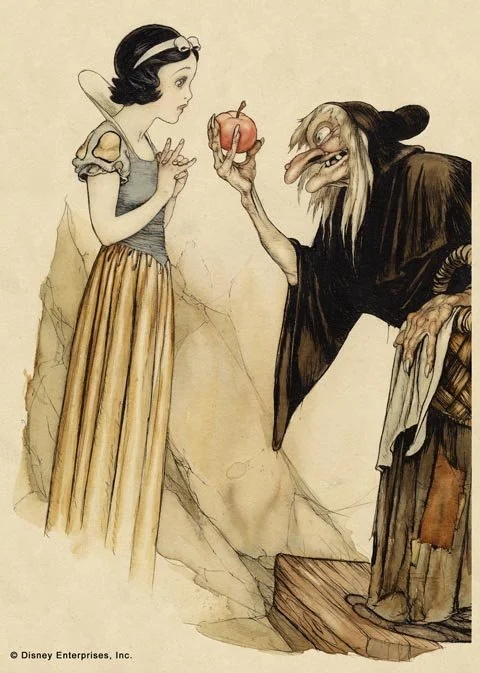
The witch deceived the girl thrice with wondrous gifts: a suffocating corset, a poisoned comb, and a venomous apple. The dwarfs warned her of the danger and saved her twice. However, naive Snow White couldn't resist the temptation.

Similarly, entrepreneurs cherish the dream of a magical CEO. Supposedly, the new CEO will instantly solve all chronic business problems. And the founder will be spending regular dividends while living in the Maldives.

Of course, when confronted with reality, illusions crumble to dust. In the worst case, control will be lost; in the best, it'll be a false start.

The root of evil lies in the confused roles of an entrepreneur and a CEO. A competent CEO can grow a business created by someone else. However, founders cannot delegate their function, that is to make 1 out of 0.

First, founders themselves must solve core problems in their business. Only then can they hand over the helm to the CEO, setting the course to sail.

Yours sincerely,

-Alexander


You can help Ukraine defend itself and the World from Russian aggression here.


”Who are you and what do you do?"
As a business therapist, I help tech founders quickly solve dilemmas at the intersection of business and personality, and boost company value as a result.

"I have an important business decision to make. Can you help me?
Reserve a time on my calendar that is convenient for you to meet with me. We'll clarify your request and discuss options for how you can help.


The DNA of Organizational Culture by Alexander Lyadov

No, culture is not just a set of values and rules for a company.

If you're a CEO or founder, Culture is You.

Similarly, it doesn't matter what parents teach their children. What matters is the behavior that kids observe daily.

The language of actions is far more convincing than the most beautiful words. But in the conflict between words and actions, even a child knows that the latter is truer.

That's why leaders who "instill" culture within a team make a mistake. They should step back and observe themselves with detachment and interest.

What disappoints them in their employees, they might find within themselves. This way, they could avoid pointless investments and violence against people.

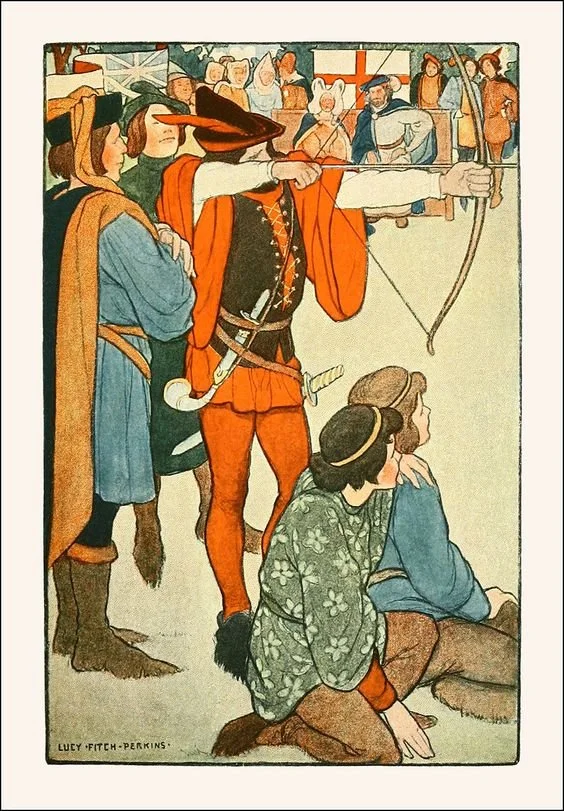
It is known that the range of an arrow depends on the angle of aim. A slight change in the angle determines whether it will miss or hit the target. The mindset of a leader is simultaneously an eye, a bow, and an arrow.

The function of culture is to enable an organization to survive and thrive. In other words, it should facilitate adaptation to change.

Conclusion: the DNA of any culture is the willingness of leaders to initiate change within themselves.

Yours sincerely,

-Alexander


You can help Ukraine defend itself and the World from Russian aggression here.


”Who are you and what do you do?"
As a business therapist, I help tech founders quickly solve dilemmas at the intersection of business and personality, and boost company value as a result.

"I have an important business decision to make. Can you help me?
Reserve a time on my calendar that is convenient for you to meet with me. We'll clarify your request and discuss options for how you can help.


Cage of Illusion by Alexander Lyadov

"It's easier to fool people than to convince them that they have been fooled." Mark Twain accurately noted this, but it's interesting to delve into why.

When we embrace a new idea, we weave it into the fabric of our worldview. Later, extracting it becomes difficult, as it seems our familiar world would unravel at the seams.

That's why we fiercely defend this idea with doubled strength at the slightest threat. Until reality crushes our illusions into dust.

In this sense, sowing false ideas is much simpler than uprooting them. It's bad when someone deceives us, but it's worse when we deceive ourselves.

Yet, the worst is when today's deception was once our truth. For example, in the past, some approach of ours worked successfully or even saved us.

Since then, everything has changed, yet we persist in acting the same way. In such a case, it is not just challenging to question, but even to recognize the fallacy.

This explains why a previously successful business eventually hits a glass ceiling. In my experience, it's not about a lack of customers, talent, or investments.

It boils down to one or two false assumptions held dear by the founder.

Yours sincerely,

-Alexander


You can help Ukraine defend itself and the World from Russian aggression here.


”Who are you and what do you do?"
As a business therapist, I help tech founders quickly solve dilemmas at the intersection of business and personality, and boost company value as a result.

"I have an important business decision to make. Can you help me?
Reserve a time on my calendar that is convenient for you to meet with me. We'll clarify your request and discuss options for how you can help.


Where You Didn't Want to Look by Alexander Lyadov

Often the highest knowledge lies where you didn't think to look.

For instance, what is the most effective way to learn guard retention in jiu-jitsu?

Study in detail the method by which your opponent will attack you.

Personal security experts advise studying criminality.

Knowing how a criminal thinks makes it easier to neutralize them.

Perhaps the primitive man uncovered the secret of wildfire in the same way.

While others fled in fear, he carefully studied the behavior of fire.

What seemed to want to kill him ultimately nourished and warmed him.

In business, it's more useful to learn from catastrophes than success stories.

There are many ways to thrive, but a limited number of ways to go bankrupt.

In business therapy, I use this insight with entrepreneurs.

Part of the session is devoted to working through super-negative scenarios.

Usually, this is a blind spot because we want to avoid this work.

However, afterward, the founder acts decisively and boldly.

Knowing your vulnerabilities makes you stronger.

Yours sincerely,

-Alexander


You can help Ukraine defend itself and the World from Russian aggression here.


”Who are you and what do you do?"
As a business therapist, I help tech founders quickly solve dilemmas at the intersection of business and personality, and boost company value as a result.

"I have an important business decision to make. Can you help me?
Reserve a time on my calendar that is convenient for you to meet with me. We'll clarify your request and discuss options for how you can help.