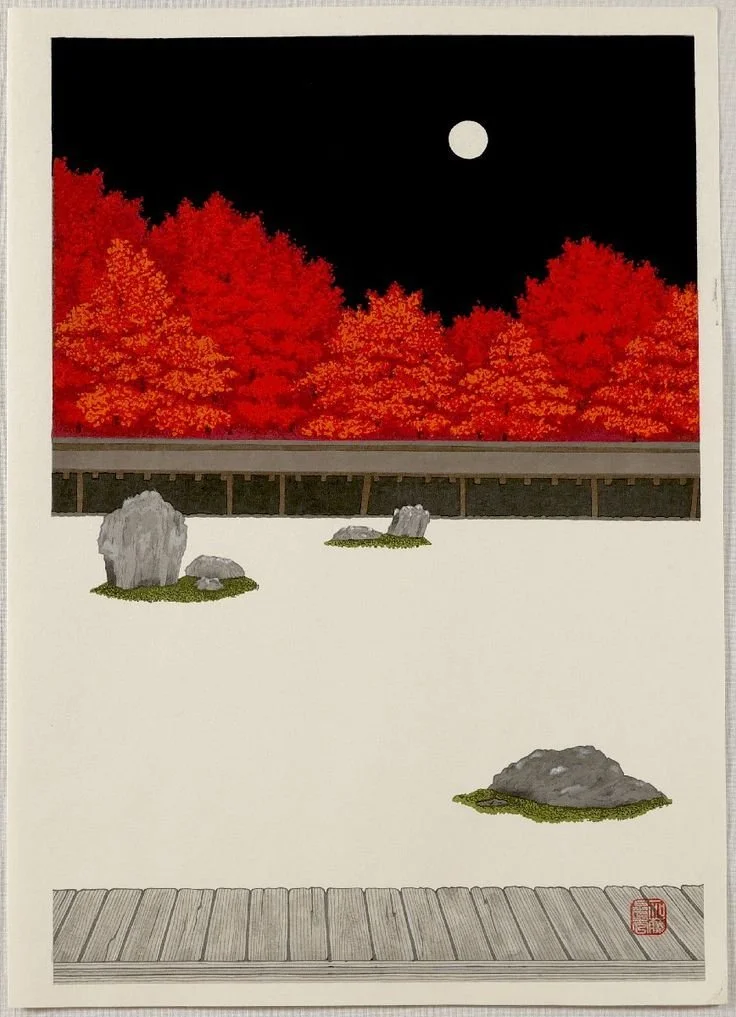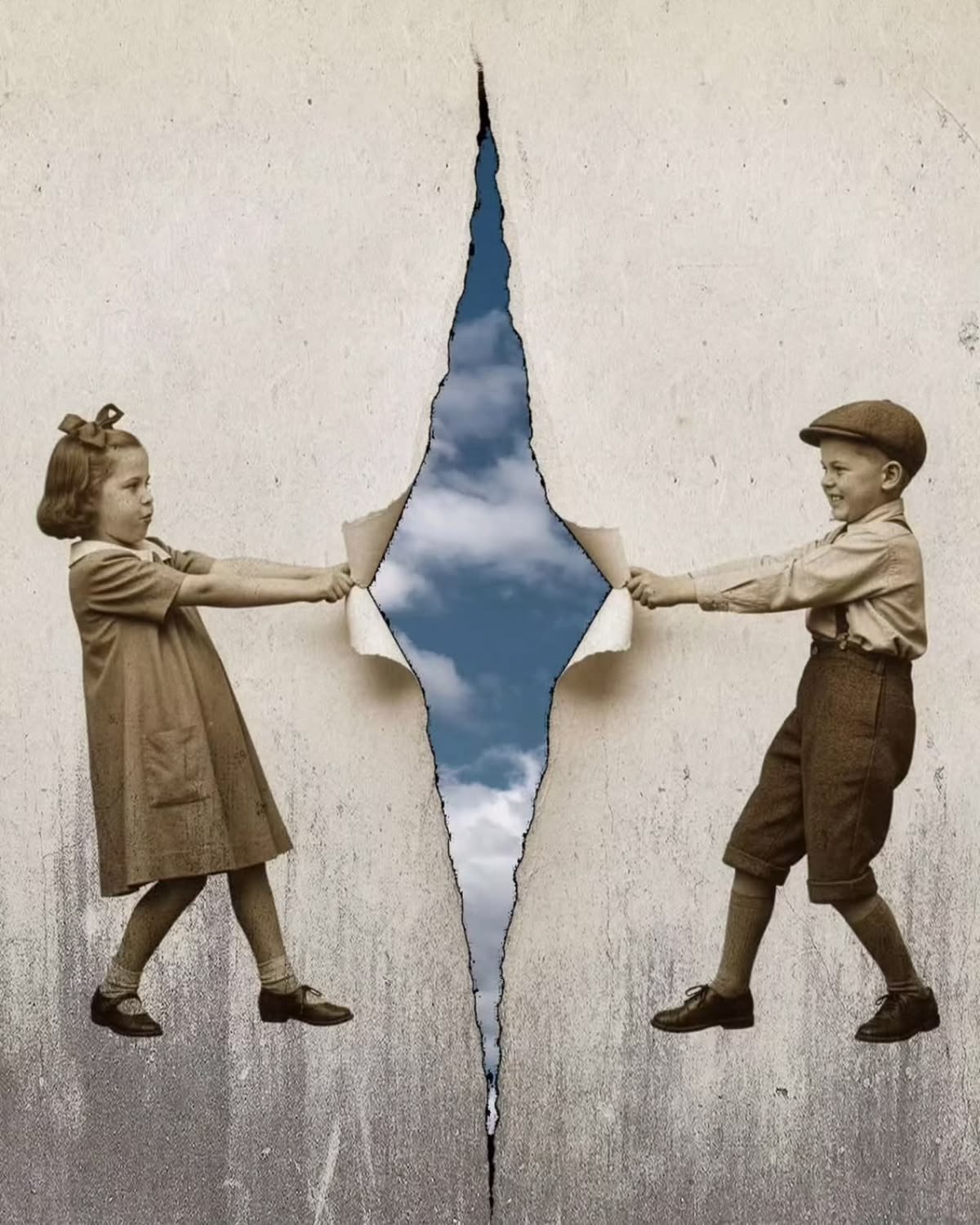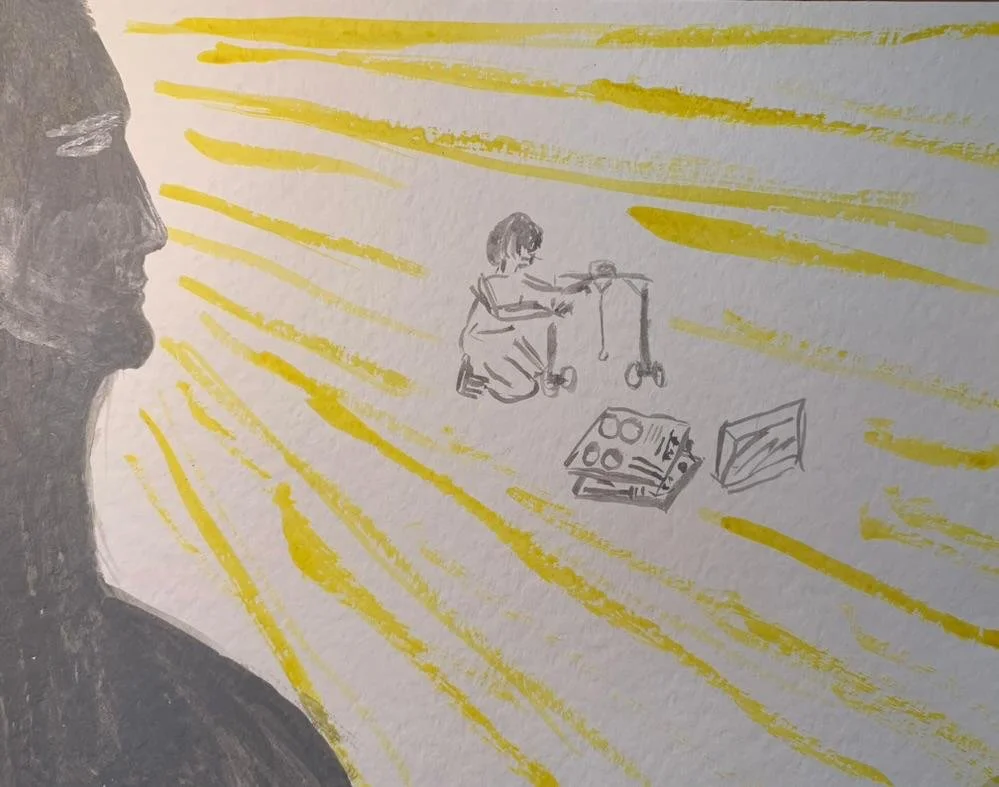
Moon and Finger by Alexander Lyadov

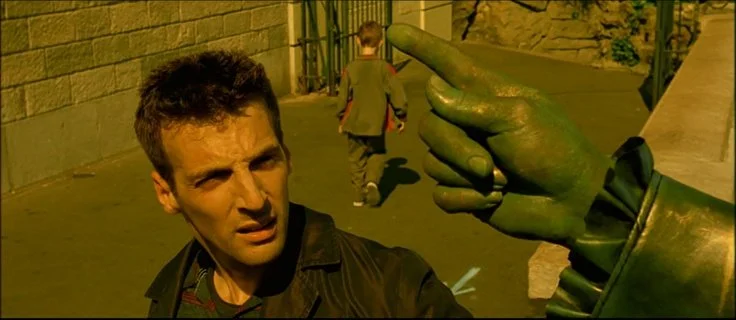
In the film Amélie (2001), a boy says to a man standing near a monument:

“Sir, when a finger points at the moon, a fool looks at the finger.”

The line captures one of the biggest problems people face in business and in life.

Imagine the early days of a company. The founder has just launched it. Revenue and profits are growing. Customers cannot contain their excitement. A vague idea has taken concrete form, and its shape is beautiful.

Years go by. Top executives succeed one another at the helm. The company grows into an industry leader and expands internationally.

Everyone tries to study and copy its business model, its methods, and its know-how. Harvard Business School writes glowing case studies about it.

Then something strange happens. In just a few years, this once-solid pillar of stability turns into a ghost. Analysts, investors, and journalists are baffled.

Why?

The company has become the finger that drew everyone’s attention to itself. Or rather, people became fixated on the form and forgot that it was only ever pointing at something beyond itself.

So what is the moon in this metaphor?

The creative act of solving a painful problem for customers.

Not the strategy.
Not the organizational structure.
Not the business model.
Not the team.

The finger was always pointing to someone’s intention:

“It seems nobody cares.”
“But I can’t leave it this way.”
“This is where I can, and want to, set a small part of the Cosmos right.”

Could that company have been saved?

Yes.

If it had regularly turned its gaze to where the boy advises.

Sincerely yours,

-Alexander


As a business therapist, I help tech founders quickly solve dilemmas at the intersection of business and personality, and boost company value as a result.

Stuck? Your business grows when you do. I’m your business therapist to guide your shift. See testimonials ​here​. Ready? ​Book your Catalyst session​.


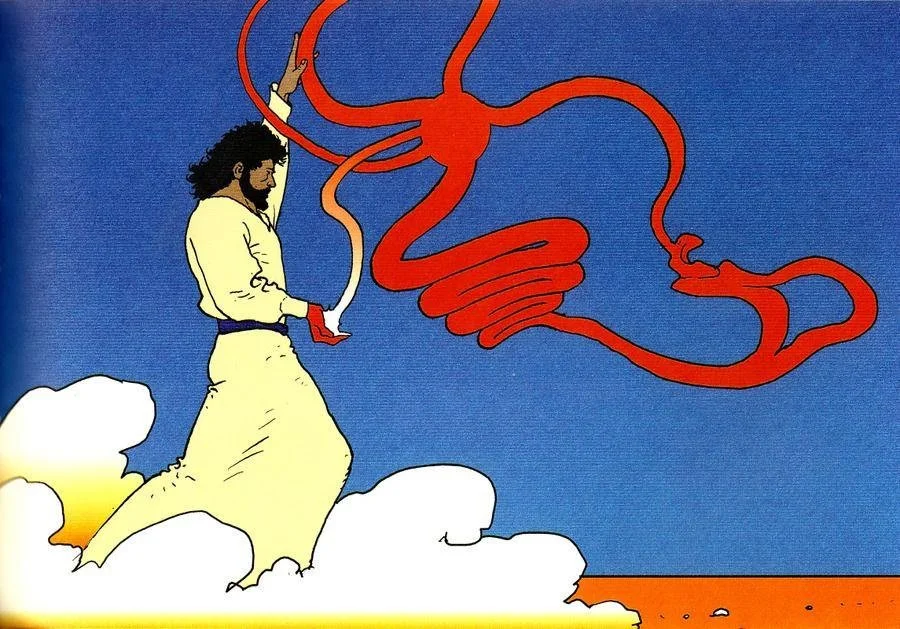
Grateful for the Difference by Alexander Lyadov

Iain McGilchrist, a British psychiatrist, philosopher, and neuroscientist, spent many years studying the asymmetry of the human brain. In his words, the difference in functions solved the fundamental problem —

"How to eat without being eaten."

These aren't simply two hemispheres. They are two entirely different ways of perceiving and experiencing the world.

The left hemisphere sees the world as a collection of separate objects that can be analyzed and manipulated logically. It tries to make the environment known, controllable, and predictable. Unfortunately, once it builds a model of reality, it begins to mistake the model for reality itself.

The right hemisphere perceives the world in its wholeness, ambiguity, and implicitness. It remains open to novelty and tries to stay connected with what always remains Unknown. The right hemisphere can make mistakes in its perception of a situation as well.

What matters is this: the left hemisphere is incapable of performing the functions of the right — and doesn't even consider them valuable. The right, on the other hand, can sometimes step in and perform the functions of the left, and recognizes the value of its contribution.

This helped me understand a strange pattern I had seen in business partnerships, when conflict emerges between two partners who, broadly speaking, rely primarily on left- and right-hemisphere ways of engaging with the world. I've watched it play out in others. I've lived it myself.

Once, my business partner said to me, “I'm the logical one, and you're the intuitive one.” At the time, I could never understand why he failed to notice or value my contribution, while I noticed and valued his.

As a result, our partnership kept stumbling. We made costly mistakes that I often sensed in advance but couldn't prove to him in iron-clad terms. After all, they were just my “vague feelings,” “paranoid fantasies,” and “unclear hunches.”

Many years later, we met again, and my former partner was genuinely curious about the way I perceive the world. Experience had taught him that one person's advantage lies in the other person's difference.

Differences between partners are essential for stable, rapid business growth. But everything depends on maturity.

Want a simple indicator?

Ask whether each partner is genuinely grateful that fate brought him someone who is nothing like him.

Sincerely yours,

-Alexander


As a business therapist, I help tech founders quickly solve dilemmas at the intersection of business and personality, and boost company value as a result.

Stuck? Your business grows when you do. I’m your business therapist to guide your shift. See testimonials ​here​. Ready? ​Book your Catalyst session​.


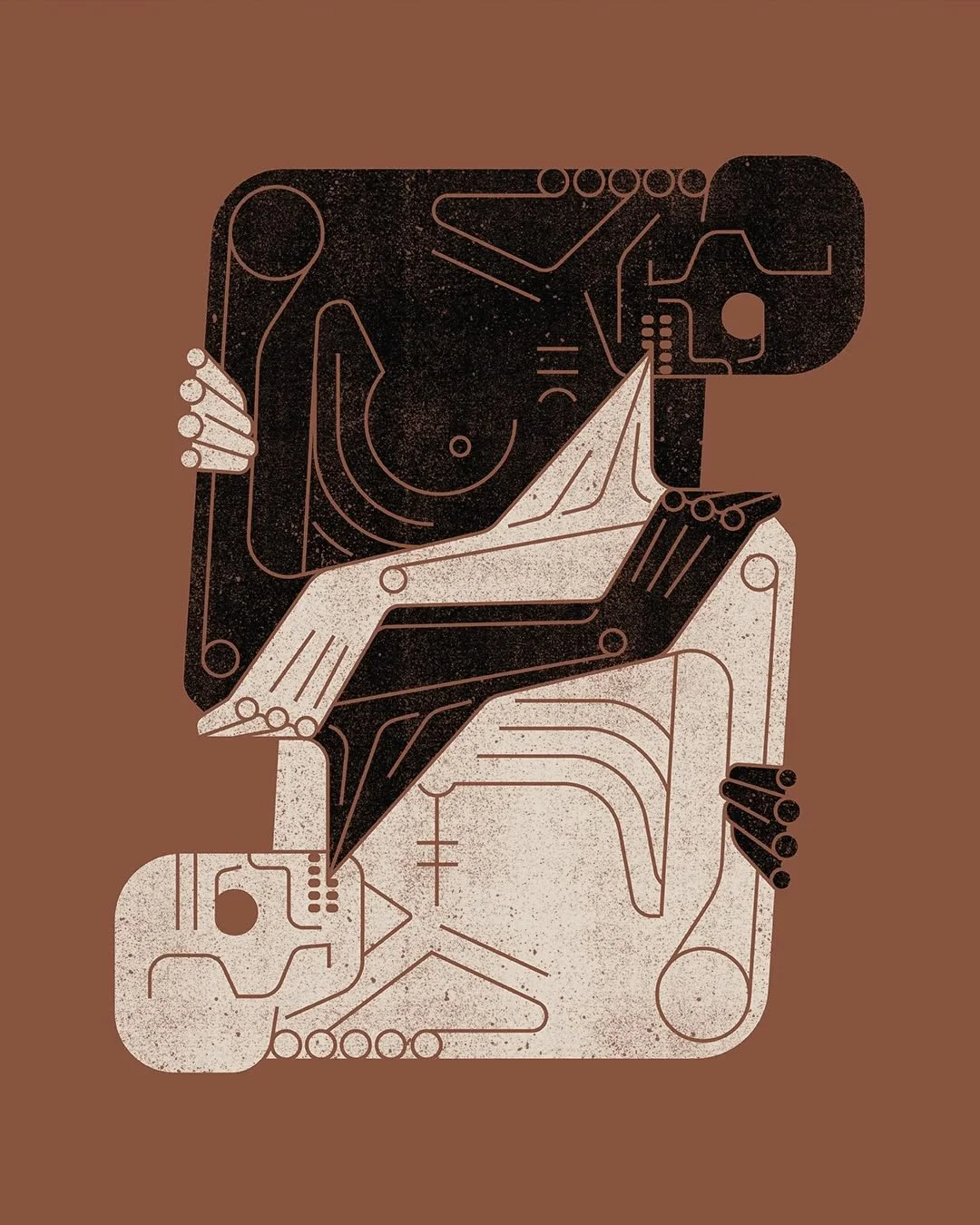
The Cornerstone by Alexander Lyadov

It's commonly assumed that madness means losing one's reason — the coherence of thought, logic, the ability to reason clearly.

In reality, the opposite is often true.

Don’t believe me? Talk to a schizophrenic.

He will describe a flawless system where every element fits perfectly and every cause-and-effect relationship seems rock solid.

Yet something inside you will begin to whisper, “Hmm… something isn’t right.” The impression that there's a crack in the foundation — but it's buried deep.

Take this: it doesn't matter how skilled the doctor is, how powerful the latest drugs are, or how sophisticated the equipment — if the patient has no will to live.

Or the world's greatest dog trainer can use every trick in the book — and it will all amount to nothing — if a Chihuahua was chosen to herd the flock instead of an Alabai.

Likewise, reconciling partners or spouses is impossible if their conflict has already reached the ninth stage on Friedrich Glasl's scale: "Together into the abyss."

There is always something unique that makes everything else possible.

The cornerstone — the sacred stone that in ancient times was laid first in the foundation of a building. The point of reference. The origin of coordinates.

It is the point where Reality and human action meet. Get this wrong, and the effort, the blueprints, the materials, and the number of floors become meaningless.

After all, the fundamental rule of architecture is that a building must fit its context, not the other way around. Think of an expensive, stylish house that sticks out in a city like a bone in your throat.

Local beauty, cut off from its surroundings, becomes ugliness.

In 1908, G. K. Chesterton wrote:

“The madman is the man who has lost everything except his reason.”

Do you want to preserve your sanity?

Learn to value everything your mind is quick to dismiss.

Sincerely yours,

-Alexander


As a business therapist, I help tech founders quickly solve dilemmas at the intersection of business and personality, and boost company value as a result.

Stuck? Your business grows when you do. I’m your business therapist to guide your shift. See testimonials ​here​. Ready? ​Book your Catalyst session​.


Baking Dreams by Alexander Lyadov

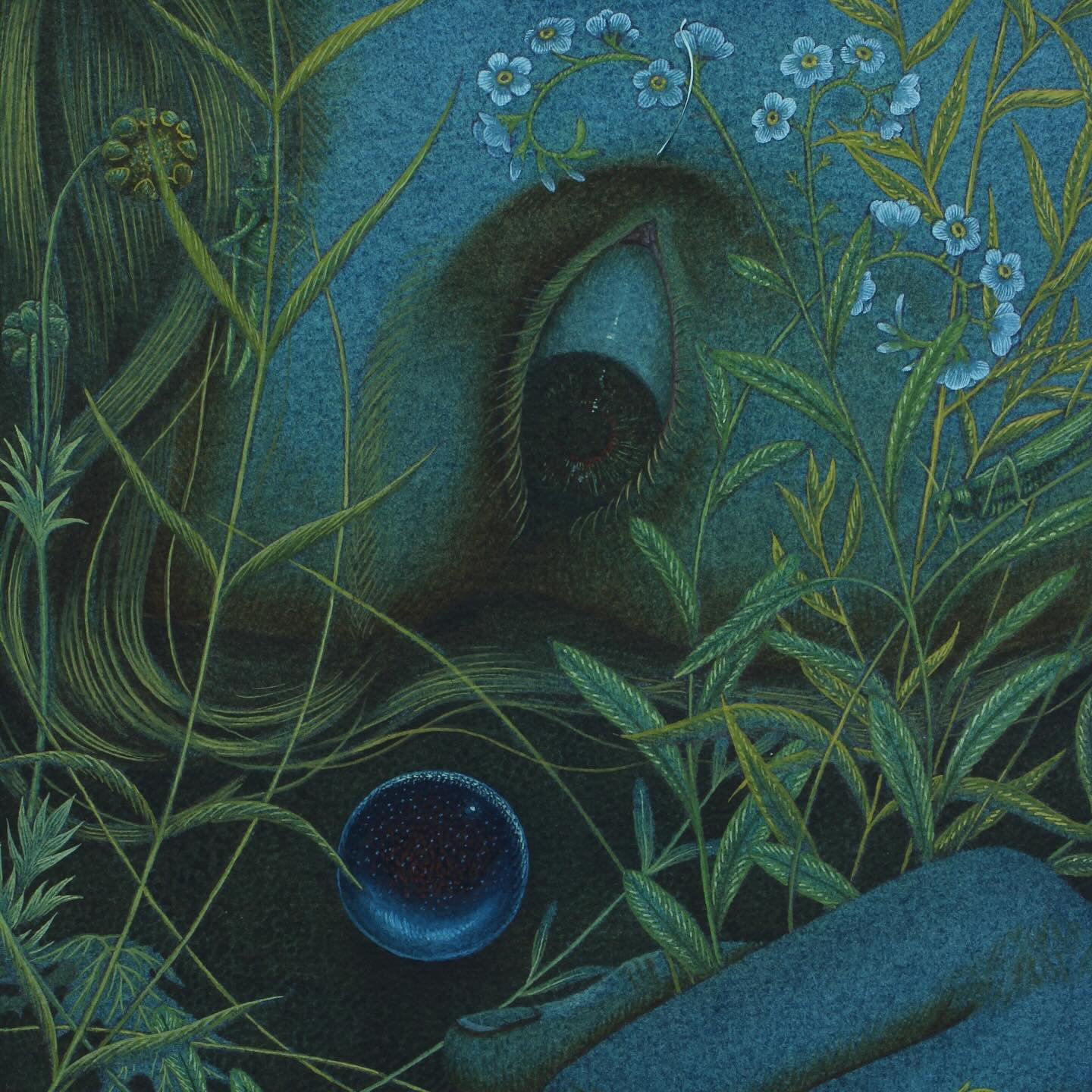
My therapist says my mind works like a blast furnace. Every morning I get tired of writing down insights and dreams. They come out as reliably as baguettes and croissants from a French bakery.

The more I value my dreams, the more productive the furnace becomes.

When I wake up in the middle of the night, the temptation is to fall back asleep. Especially since the dream often feels like complete gibberish. I try to capture at least a few key words. Understanding comes later.

Dreams are like diamonds extracted from the earth or the ocean floor. In raw form they're already worth $2,000–4,000 per carat — and after cutting, $5,000–15,000. The cutting is your interpretation of the dream.

Despite my experience in this area, if I were helping you, I would encourage your own response first — what memories and associations come up, what a particular element means to you personally.

No element of a dream is accidental. Every symbol contains an entire cluster of meanings.

When I shared some of these "treasures" during a group psychotherapy session, it turned out my interpretations were even more interesting than the dreams themselves. That is the effect of cutting the diamond. It reflects far more light.

So what are dreams to you — waste product of the brain, or ancient treasure?

Sincerely yours,

-Alexander


As a business therapist, I help tech founders quickly solve dilemmas at the intersection of business and personality, and boost company value as a result.

Stuck? Your business grows when you do. I’m your business therapist to guide your shift. See testimonials ​here​. Ready? ​Book your Catalyst session​.


Alone with Implicit by Alexander Lyadov

Once something tangible already exists, the greatest uncertainty is gone.

Someone else's behavior can be admired and imitated. A finished product can be reverse-engineered. Even a drawn map is a way out of the labyrinth.

It's a different story when there's no model, no prototype, no template. The need is real, but there's nothing to grab onto. Like falling from a great height.

That is why creating something out of nothing is the hardest thing of all.

The process itself is mysterious, strange, and unpredictable. That unsettles and irritates a lot of people. To protect themselves, they pretend the creative process is unimportant. It exists, yet somehow it does not.

People notice a new phenomenon only when it becomes impossible to ignore. Society's attitude shifts like an avalanche. No. No. No. Then suddenly, yes.

Until that moment, the creator feels like he's losing his mind. No one seems to see what is so obvious to him. When he tries to share his excitement, he's met with hostility, dismissal, and ridicule.

Perhaps patience is what separates an experienced creator from a beginner.

Noticing and valuing what isn't yet visible to others — that's both a gift and a curse.

Which is greater?

That depends on how much the Ego needs other people's recognition.

Blessed is the one who forgets himself and everyone else in the act of creation.

Sincerely yours,

-Alexander


As a business therapist, I help tech founders quickly solve dilemmas at the intersection of business and personality, and boost company value as a result.

Stuck? Your business grows when you do. I’m your business therapist to guide your shift. See testimonials ​here​. Ready? ​Book your Catalyst session​.


Lord of lords by Alexander Lyadov

Do you love robots, systems, and mechanistic thinking in general?

It depends on which way the force is pointing, with you or against you.

It is wonderful when your computer follows the algorithm you gave it. Your GPS takes you exactly where you want to go. AI double-checks your contract.

It is a nightmare when an ATM silently swallows your card in a foreign country. Instead of reaching a real person, you hear the endless: “Your call is very important to us.” Your inbox fills with ridiculous spam.

I will spare you the darker scenarios so I do not ruin your mood.

The same dynamic exists in any partnership where one co-founder might be named “Order” and the other “Creativity.”

Everything works beautifully if Mr. Order directs his power toward the business. You never have to worry about its structure, predictability, or efficiency. They will keep improving relentlessly, in the spirit of kaizen.

But beware if Mr. Order turns his attention toward an individual or a team. He will flatten everyone beneath the steamroller of his “rightness.” The business will become a museum of wax figures: clean, static, and silent.

The most dangerous situation, however, is when these two gentlemen go to war. One side brings relentlessly increasing order. The other unleashes irrational and unpredictable terror.

Who wins?

The competitors.

All they have to do is wait.

Now imagine that the business is you: your mind, your psyche, and your body. Different forces live within you, and they all have the potential to come into conflict.

Will they fight each other?

Or will they cooperate?

The choice is yours.

Sincerely yours,

-Alexander


As a business therapist, I help tech founders quickly solve dilemmas at the intersection of business and personality, and boost company value as a result.

Stuck? Your business grows when you do. I’m your business therapist to guide your shift. See testimonials ​here​. Ready? ​Book your Catalyst session​.


Love the Seed by Alexander Lyadov

A Chinese propaganda poster in the Nianhua style, 1950s-70s

It is easy to love abundance, strength, wisdom, harmony, and prosperity.

These things satisfy hunger, fuel optimism, and bring peace to the soul.

But what if we are talking about something small, weak, foolish, and dirty?

Suddenly, there are far fewer volunteers.

Why?

We want everything, all at once. We don't have the patience to invest in growth and wait.

We ourselves are too weak for that.

Compare a gardener when he's well-fed versus when he's starving.

Given a handful of seeds — who plants them and tends to them, and who eats them on the spot?

The weak cannot tolerate weakness in others. The naive cannot tolerate another person's mistakes. The fragile despise vulnerability in everyone, especially in themselves.

Yet everything great was once small. Everything powerful was once weak. Everything sharp was once dull.

Not only did it take a great deal of time — someone also created the conditions. Growth happened because of love.

Love for what?

For a potential that was invisible to everyone. Except one person.

Sometimes one person is enough.

Sometimes even one word.

Or just a look.

Enough to awaken in the seed the desire to become what it was meant to be.

Sincerely yours,

-Alexander


As a business therapist, I help tech founders quickly solve dilemmas at the intersection of business and personality, and boost company value as a result.

Stuck? Your business grows when you do. I’m your business therapist to guide your shift. See testimonials ​here​. Ready? ​Book your Catalyst session​.


Befriend the Critic by Alexander Lyadov

I am sure you know the voice of your inner Critic well. Its speech is merciless and venomous. He kicks you in the gut and injects poison into your mind.

But who is it, really? What is it actually trying to achieve?

Psychology literature offers different explanations. For psychoanalysis, it's the internalized voice of your parents and society, absorbed in childhood. For Buddhism, it's just a stream of thoughts with no "Self" of its own.

I like psychologist Robert Moore's view best:

“The two Archetypal Self words are more and better. It wants you to do it better, yesterday, perfectly, without effort.”

As a rule, the worse your relationship with a given aspect of the Self (the individual's deep center), the louder and more often that voice drills into your brain. Feeling neglected, it begins to take revenge.

For example, you are convinced that aggression has no place in your empathic nature, while discipline, endurance, and clear boundaries are complete nonsense.

In that case, the archetype splits in two. Sometimes it suddenly takes possession of you. The rest of the time, it criticizes you from the background.

In the first case, others suffer from its bite. In the second, you do.

So what's the way out?

The one thing almost nobody is willing to do: build a relationship with the Other.

Whatever feels the least like you — and is therefore disgusting, terrifying, stupid, or shameful — is exactly what would enrich you most as a person.

Doing this alone is difficult. You need an experienced guide. For me personally, both individual and group psychotherapy have been invaluable.

Just like in pottery: sticky, shapeless clay passes through fire and becomes elegant Chinese porcelain.

Sincerely yours,

-Alexander


As a business therapist, I help tech founders quickly solve dilemmas at the intersection of business and personality, and boost company value as a result.

Stuck? Your business grows when you do. I’m your business therapist to guide your shift. See testimonials ​here​. Ready? ​Book your Catalyst session​.


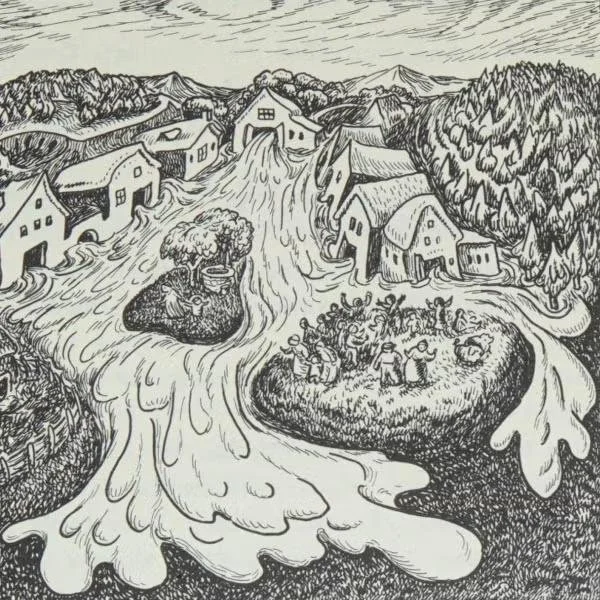
Stop, Little Pot, Stop by Alexander Lyadov

The Brothers Grimm have a profound fairy tale called "The Magic Porridge Pot."

A mother and her daughter lived in poverty. One day, the girl went into the forest to pick berries and met an old woman who asked for some. In return, she gave the girl a magic pot. At the command, “Cook, little pot,” it would make porridge infinitely until someone said, “Stop, little pot”.

From that day on, they never went hungry again. But one day, after the daughter left, the mother started the pot and forgot how to stop it. Porridge flooded the house, then the street. Everything was drowning in porridge, and no one could stop the endless flow.

Fortunately, the girl returned from the forest and said, “Little pot, stop.”

The fairy tale illustrates why some women and men are afraid to unleash their true life force. They believe there is emptiness inside them, that they have no energy, that they are incapable of creating anything.

Reality is exactly the opposite. Within them lies an immense power of generativity, creativity, and abundance. It presses against the protective dam of the mind, desperately trying to break through.

Meanwhile, the person heroically tries to plug the hole with her own body while a powerful stream of “porridge” struggles to reach the world.

No wonder this battle drains all her strength and eventually breaks her body.

She is terrified of the very abundance of Life that both she and everyone around her desperately need.

But why?

She (or he) forgot, or was never taught, how to say, “Stop. Enough. No.”

Inside us, there must be a regulator, an interrupter of pleasure, a keeper of boundaries. Otherwise, food becomes poison, a good intention becomes violence, and paradise becomes hell.

The paradox is that a person can become truly creative and fruitful only when she knows with absolute certainty that she can stop the process at any moment.

That means deliberately creating Pause. Emptiness. Hunger. Nothing.

Surplus and Scarcity fundamentally need each other.

Want Abundance in your life? Learn to love and value Emptiness.

Sincerely yours,

-Alexander


As a business therapist, I help tech founders quickly solve dilemmas at the intersection of business and personality, and boost company value as a result.

Stuck? Your business grows when you do. I’m your business therapist to guide your shift. See testimonials ​here​. Ready? ​Book your Catalyst session​.


Bring the Man Back by Alexander Lyadov

Nothing is more mundane than a night's sleep. Yet nothing is more important.

Literally every aspect of your life takes a hit from poor sleep.

Mood? Crashed. Energy? Cut to a third. Willpower? Maybe later. Mind? Look, even thinking hurts. Peace of mind? You're about to catch some attitude. Creativity? The muse is in a coma. Work? The meaning is gone.

If it's an early flight, jet lag, or an all-nighter closing a deal — fine.

But sometimes it is not your fault at all. Someone else stole your sleep.

Here's what I do in that case:

  1. Drink more water (I like adding Celtic Sea Salt).

  2. Double my creatine intake (to 10 grams) to help protect my brain.

  3. Give the body a physical load — even though it sounds insane.

  4. Always a shower — and I visualize washing all the filth away.

  5. Make a solid, delicious breakfast with protein and carbs.

  6. Coffee, multivitamins, magnesium, D3, and omega-3 are my default.

  7. Take a short nap or meditate a few times before 4 PM.

As you can see, there is nothing extraordinary here. But it resets you like a wizard's elixir. With every hour of the ritual, the person I love returns to me.

Now I'm ready to be around people again.

The man commands the beast.

Sincerely yours,

-Alexander


As a business therapist, I help tech founders quickly solve dilemmas at the intersection of business and personality, and boost company value as a result.

Stuck? Your business grows when you do. I’m your business therapist to guide your shift. See testimonials ​here​. Ready? ​Book your Catalyst session​.


The Art of the In-Between by Alexander Lyadov

Unknown photographer

In advertising, there's a sacred rule of brainstorming. You know it, right?

“Never mix two stages: idea generation and idea selection.”

For a beginner, this is far from obvious. When you hear something new, your first instinct is to protect yourself from wasting time, money, and effort. Your mouth blurts out: “That's ridiculous!”

But this is a business where the biggest paydays go to Wow results. Which means you need Wow ideas. And those, unfortunately, look like total nonsense at the start.

Lose a couple of tenders after sleepless nights, and you quickly learn to appreciate the "wild" and the "absurd." It's just dumb to toss out dirt that might be hiding gold dust — or even a nugget.

You have to retrain yourself, painfully. You have to literally bite your tongue. But that is not enough. At the first stage, even “improving” an idea can kill it. ou need to master the art of watering what grows on its own.

Very few people can do this. That's why masters prefer to create alone, or with a trusted sparring partner. Or you need a seasoned "moderator" — someone mature enough to lift one person up and shut another one down.

But once the process kicks in, ideas pour out like a cornucopia. And here, like in that old fairy tale, you have to know when to shout: "Little pot, stop!" Because creativity is pure pleasure — and pleasure has no bottom.

Someone has to interrupt that pleasure and hold the line. The second stage — analyzing, selecting, and editing ideas — looks bloody, brutal, and clinical, like an operating room. It should.

These are two completely different ways of perceiving and relating to the world. Developing both in equal measure is hard. But at the very least, you need to respect and value that part of the process where you're weak and others are strong.

And most importantly — practice the rarest role of all: the guide in-between.

Sincerely yours,

-Alexander


As a business therapist, I help tech founders quickly solve dilemmas at the intersection of business and personality, and boost company value as a result.

Stuck? Your business grows when you do. I’m your business therapist to guide your shift. See testimonials ​here​. Ready? ​Book your Catalyst session​.


Your Animal Knows by Alexander Lyadov

A psychopomp is the hero's helper in myths and fairy tales, most often an animal. A gray wolf, a rabbit, a raven — it varies across cultures.

One may come to you as well — in a dream, a psychedelic experience, active imagination, or a guided imagery session.

In ancient Greek mythology, the psychopomp guided the souls of the dead into the underworld. In Jungian psychology, he serves as a mediator between consciousness and the unconscious.

The animal can do what a human cannot. He is directly connected to instinct, the unconscious, nature, and the primal force of life.

The human mind creates doubt, traps, and dilemmas. The animal simply does what the present moment calls for.

And since the dream or image is yours, the animal is yours too. It's one of the aspects of your psyche that you're likely least familiar with.

A particular animal often embodies qualities you long for that, for one reason or another, have become repressed. In dreams, the helper often does exactly what, deep down, you desperately need to do yourself.

Do not be disturbed by the animal's appearance or actions. No matter how strange or frightening they may seem, the meaning is usually the same: the animal is trying to establish living contact with you and help you in some way.

It's your choice — accept its help or push it away. But when the path leads into the unknown, it is better to have a mysterious guide by your side than to face Chaos alone.

Sincerely yours,

-Alexander


As a business therapist, I help tech founders quickly solve dilemmas at the intersection of business and personality, and boost company value as a result.

Stuck? Your business grows when you do. I’m your business therapist to guide your shift. See testimonials ​here​. Ready? ​Book your Catalyst session​.


Look Again by Alexander Lyadov

Look at this mud.

You'd rather not? Does it seem strange, pointless, or disgusting?

Don't be so fast. Give it a few seconds. Look closely.

There is someone inside that shapeless mass.

It is looking back at you.

It takes the eye of a creator to see Something in what appears to be Nothing.

The photographer found the perfect title for the image: The Eye of Drought.

A ​hippopotamus saves itself​ from the scorching sun. For him, mud is paradise.

If a hippo could talk, he would probably be puzzled by human behavior:

“Why are you suffering in the heat? Come join me, you fool.”

An animal's advice can save your life — or at least make it easier.

Literally, if you ever find yourself lost in the heat of the savanna on a safari.

Or it might save you symbolically the next time you ask yourself:

“What useful function does this "mud", "dust", "trash", or "ash" serve?”

Answer that, and you've just found a free resource.

When that happens, drop me a line.

We'll celebrate your transformation together.

Sincerely yours,

-Alexander


As a business therapist, I help tech founders quickly solve dilemmas at the intersection of business and personality, and boost company value as a result.

Stuck? Your business grows when you do. I’m your business therapist to guide your shift. See testimonials ​here​. Ready? ​Book your Catalyst session​.


Stay Close by Alexander Lyadov

“If in 90 days I want to be in a relationship, what are the things I should do that give me the best likelihood?” asks Dr. Paul Eastwick, PhD, a psychology professor and a leading expert on the modern science of mate selection in humans.

And he answers: “ I'm embarrassed to say my field can't answer that question. So, in the absence of that kind of specificity, my answer is always just be around people on repeated occasions.”

Earlier, Dr. Paul Eastwick explained the importance of small groups.

What he says applies not only to romantic relationships. Starting a business, entering an unfamiliar market, or writing a book are all examples of making contact with novelty and building a long-term relationship with it.

The beginning can feel discouraging. It is not clear how to approach IT.

You're trying to know too much in advance. Don't. It's better to let the new thing reveal itself in its own time. You only need to spend more time around it. Give it your undivided attention, free from expectations.

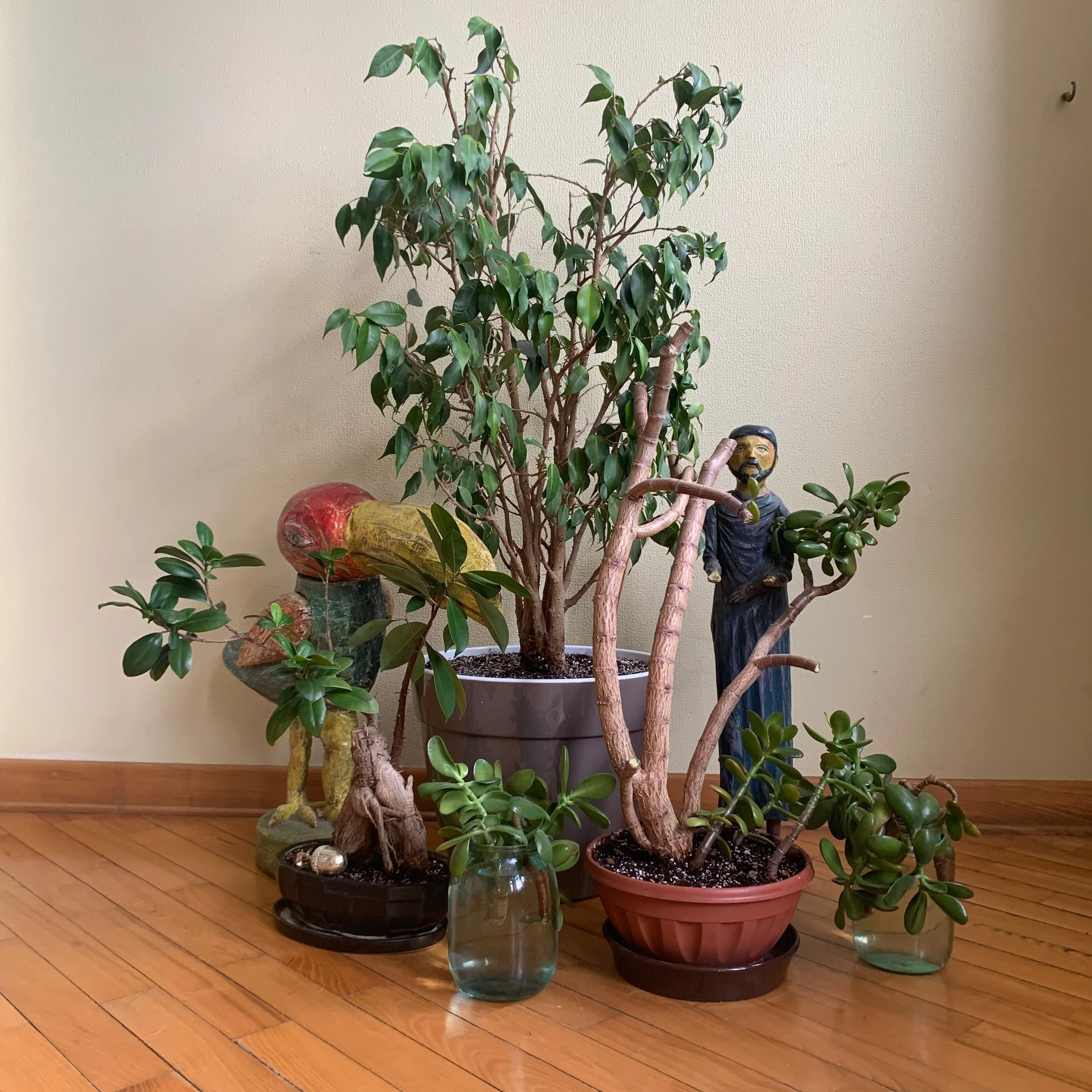
Cuttings from a money plant are not placed directly into a pot. For a month, they root in water. Some will sprout, some won't — and you can watch the whole process calmly through the glass of the jar.

Let us remember the key words: live contact + regularity.

Sincerely yours,

-Alexander


As a business therapist, I help tech founders quickly solve dilemmas at the intersection of business and personality, and boost company value as a result.

Stuck? Your business grows when you do. I’m your business therapist to guide your shift. See testimonials ​here​. Ready? ​Book your Catalyst session​.


Blind Spot by Alexander Lyadov

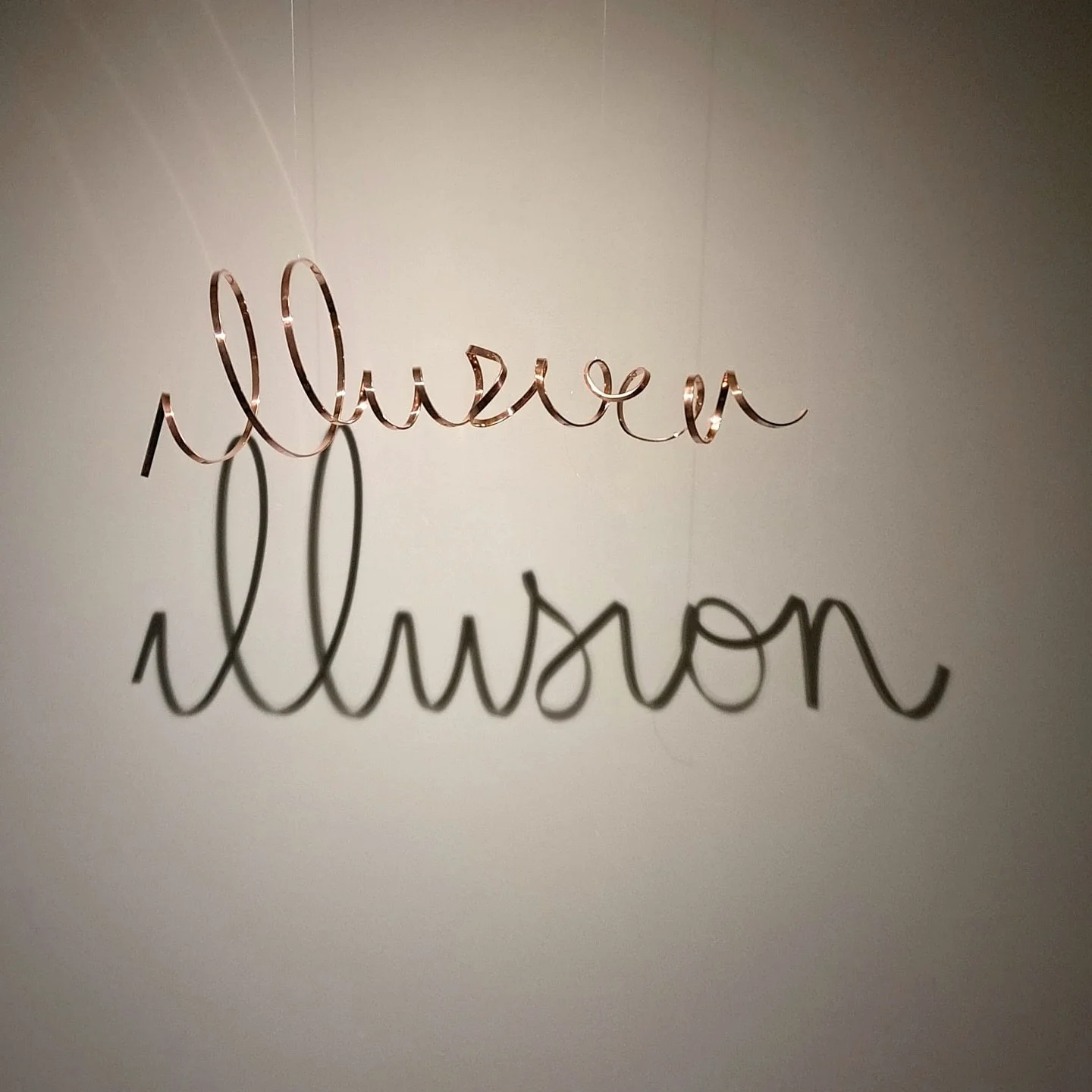
The horror of an illusion is that we do not see it as such.

In the unconscious, it lives as a hidden assumption.

But it can also exist in consciousness, sustained by fanatical belief.

What are the consequences?

Your progress hits a glass ceiling. Conflicts with your partner at home and at work. Chronic health problems or symptoms that keep getting worse. The feeling that the whole world has conspired against you personally.

How could it be otherwise if part of reality has fallen into a blind spot?

If someone points it out and says, “This is a lie,” you will either laugh or become offended. The very idea of questioning It will seem absurd.

This will continue until the number of blows from “fate” exceeds your limit of tolerance or begins to threaten your life.

Then an ancient and benevolent instinct will activate aggression: ““Enough! No more!”

You will begin feeling your way through the blind spot, grabbing the illusion by the forelock.

From that moment on, I stop worrying about you.

A crack has appeared in your glass wall.

It is only a matter of time before its shards crunch beneath your feet.

The illusion has already lost its power over you.

Sincerely yours,

-Alexander


As a business therapist, I help tech founders quickly solve dilemmas at the intersection of business and personality, and boost company value as a result.

Stuck? Your business grows when you do. I’m your business therapist to guide your shift. See testimonials ​here​. Ready? ​Book your Catalyst session​.


Plant Pro Tips by Alexander Lyadov

For the first time, I watched a professional repot houseplants.

I came away with a few insights. Obvious to some, perhaps. Not to me.

For example:

If you think a plant has outgrown its pot, don't rush. Some plants like it tight. Too much soil causes moisture to stagnate and roots to rot. Sometimes the soil needs replacing, not the pot.

A plant always reaches toward the light and gradually grows asymmetrical. That's why you need to rotate it periodically. Just like the Chinese emperor who ritually moved through four seasonal chambers of his palace.

The branches had spread so far that the trunk was leaning against the window glass. To restore the vertical, drastic pruning was needed. No matter — the crown will soon grow back fuller, and new trunks will sprout from the cuttings.

Dead branches need to be cut off because pests love them, turning them into nesting grounds. How symbolic. Letting go of an old form is not a matter of aesthetics. It is a matter of protecting the “tree of life.”

The old pot was expensive, beautiful, and sturdy. But the ficus had become hopelessly stuck inside it. The roots had bonded to the walls, filling every inch of space. It had to be smashed open. The less often transformation happens, the more painful it becomes.

Interesting how all of this plays out in business:

Before changing your market or your partner, update your perspective.

In business, tomorrow’s bottleneck is often yesterday’s surplus.

A founder needs to notice when the company's "trunk" starts to lean.

An obsolete part of the business is not neutral. It becomes a source of evil.

You can change yourself and your company through crisis. Or through ritual.

Sincerely yours,

-Alexander


As a business therapist, I help tech founders quickly solve dilemmas at the intersection of business and personality, and boost company value as a result.

Stuck? Your business grows when you do. I’m your business therapist to guide your shift. See testimonials ​here​. Ready? ​Book your Catalyst session​.


Father's Gaze by Alexander Lyadov

Today is a holiday — Father's Day.

I didn't have one. He left for another family when I was five.

He cast me into the void of loneliness. And for that, I am grateful to him.

In that void, I not only survived, I came to love being there. When life gets hard, I know exactly where to go inside myself to recover quickly.

Endless boredom awakened and developed my imagination. And solitude taught me how to become completely absorbed in playing by myself.

The feeling of abandonment drove me to search everywhere. For whom? I did not know. Certainly not for my biological father, who had shown no interest in me over the decades that followed.

When it came to my own children, I had to create fatherhood from whatever was at hand: partly imagined, partly borrowed from others. As a father, I am not satisfied with myself. But I am very happy with how our children turned out.

Only recently did it occur to me that I was never truly alone in that void. Someone was always there beside me, unseen. That may be why I felt so calm.

Once, as a child, I was playing with a construction set alone, as I usually did. Suddenly, with my whole being, I felt the gaze of my true Father. He was watching my play with endless delight, pride, and love.

It turns out that one father abandoned me, but I fell into the arms of Another.

How could I not be grateful for that?

The path has not been easy, but otherwise I would not have become who I am.

Sincerely yours,

-Alexander


As a business therapist, I help tech founders quickly solve dilemmas at the intersection of business and personality, and boost company value as a result.

Stuck? Your business grows when you do. I’m your business therapist to guide your shift. See testimonials ​here​. Ready? ​Book your Catalyst session​.


Worth It by Alexander Lyadov

La Pedrera - Casa Milà, Barcelona, 2004

All kinds of people walk into a grappling gym: men and women, young and old, heavy and lean, short and tall.

During the first few years, a beginner learns the same fundamental techniques as everyone else in the group. Yet no matter how hard he tries, many things simply will not work in live sparring. You seem to know everything, but the technique just does not work.

It is a pity that nobody told me this “secret” for ten years:

You are perfectly built for certain techniques and strategies.

A lot converges here:

  • anthropometry (sex, height, weight, wingspan, etc.),

  • temperament (attacking or counterattacking),

  • endurance profile (explosive or marathon-like),

  • the balance of strength between the upper and lower body,

  • thinking style in a match (improvisation or systemization),

  • natural joint flexibility or stiffness, and much more.

That's why certain techniques intrigue you for no obvious reason. You absorb them almost immediately, and they seem to “fire” on their own during a match. This is how your favorite techniques emerge: your tokui waza.

The typical path: grind through everything for years, until the crystals of your "crown techniques" slowly grow out of a supersaturated solution of skills.

But there is a way to accelerate your progress dramatically. It happens when a mature and experienced grappler tells you after a match: “Listen, pay attention to techniques X. They will suit you perfectly.”

That small thing means fewer frustrations and more joy in training — which matters most in the early years, when it feels like nothing is working and you're taking more hits than anyone.

In ancient tribes, elders handled this one-on-one transmission of experience. What matters isn't just knowledge — it's knowledge adapted specifically to you. That changes everything.

So if you're taking up a new sport, find a gym where experienced athletes train and where a curious question is as welcome as a generous answer.

Sincerely yours,

-Alexander


As a business therapist, I help tech founders quickly solve dilemmas at the intersection of business and personality, and boost company value as a result.

Stuck? Your business grows when you do. I’m your business therapist to guide your shift. See testimonials ​here​. Ready? ​Book your Catalyst session​.


Built for It by Alexander Lyadov

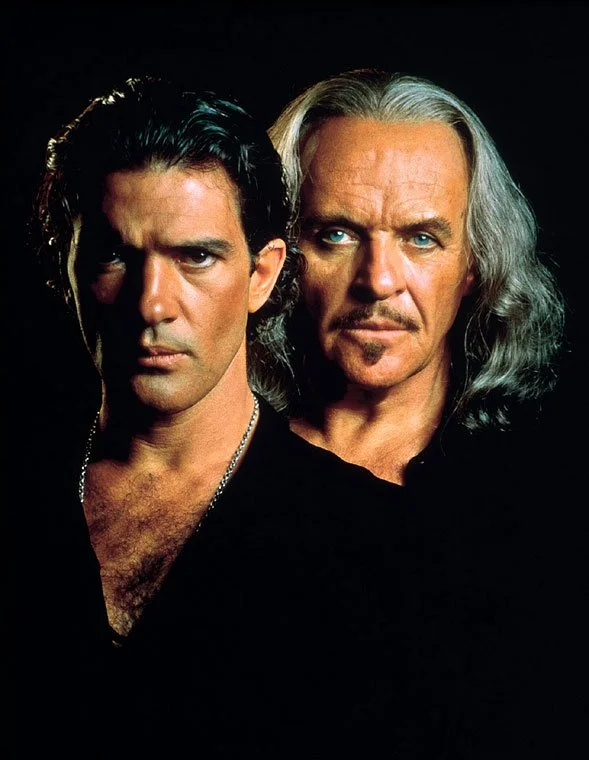
The Mask of Zorro, 1998

All kinds of people walk into a grappling gym: men and women, young and old, heavy and lean, short and tall.

During the first few years, a beginner learns the same fundamental techniques as everyone else in the group. Yet no matter how hard he tries, many things simply will not work in live sparring. You seem to know everything, but the technique just does not work.

It is a pity that nobody told me this “secret” for ten years:

You are perfectly built for certain techniques and strategies.

A lot converges here:

  • anthropometry (sex, height, weight, wingspan, etc.),

  • temperament (attacking or counterattacking),

  • endurance profile (explosive or marathon-like),

  • the balance of strength between the upper and lower body,

  • thinking style in a match (improvisation or systemization),

  • natural joint flexibility or stiffness, and much more.

That's why certain techniques intrigue you for no obvious reason. You absorb them almost immediately, and they seem to “fire” on their own during a match. This is how your favorite techniques emerge: your tokui waza.

The typical path: grind through everything for years, until the crystals of your "crown techniques" slowly grow out of a supersaturated solution of skills.

But there is a way to accelerate your progress dramatically. It happens when a mature and experienced grappler tells you after a match: “Listen, pay attention to techniques X. They will suit you perfectly.”

That small thing means fewer frustrations and more joy in training — which matters most in the early years, when it feels like nothing is working and you're taking more hits than anyone.

In ancient tribes, elders handled this one-on-one transmission of experience. What matters isn't just knowledge — it's knowledge adapted specifically to you. That changes everything.

So if you're taking up a new sport, find a gym where experienced athletes train and where a curious question is as welcome as a generous answer.

Sincerely yours,

-Alexander


As a business therapist, I help tech founders quickly solve dilemmas at the intersection of business and personality, and boost company value as a result.

Stuck? Your business grows when you do. I’m your business therapist to guide your shift. See testimonials ​here​. Ready? ​Book your Catalyst session​.


Your Wolfhound by Alexander Lyadov

Terminator 2: Judgment Day

Yesterday, I ​explained​ where I do not want to let AI in. To be fair, I want to share where AI turned out to be irreplaceable.

The greatest source of anxiety in life is the unknown. Anything and anyone can create it for you — the cosmos, nature, the market, the government, technology, society, even a single person.

The unknown is unmistakable. In small doses it shows up as discomfort and unease. In large doses, as paralysis and dread.

Neurophysiology eventually comes to the rescue, since over time the body kicks in an orienting response — curiosity and the drive to explore the frightening new phenomenon show up.

Until then, however, all you can do is endure the stress. Sure, there are ways to help yourself — meditation, specific breathing techniques, sleep, exercise, stress inoculation therapy — but not everyone has these tools, and they don't work for everyone.

These days, though, AI is always within reach — endlessly patient, attentive, and responsive. Feeling lost, or worse, frozen?

Just describe the situation to AI exactly as it is

The point is not to get an immediate solution. The mere fact that you can share the burden of uncertainty with someone brings relief. Even more so when AI offers an unexpected perspective on the problem.

What fascinates me is AI’s almost supernatural willingness to act no matter what, without delay, complaint, or hesitation. It's incredible to have someone who keeps pushing forward when everyone, including you, has given up.

Having a “Terminator” on your side is especially valuable when you are being steamrolled by technology, regulation, or bureaucracy. It takes a wolfhound to deal with a wolf. AI is happy to play that role.

Most importantly, describing your confusion to AI costs you nothing. But it's that first micro-step that instantly turns you from a victim into a creator.

Sincerely yours,

-Alexander


As a business therapist, I help tech founders quickly solve dilemmas at the intersection of business and personality, and boost company value as a result.

Stuck? Your business grows when you do. I’m your business therapist to guide your shift. See testimonials ​here​. Ready? ​Book your Catalyst session​.