
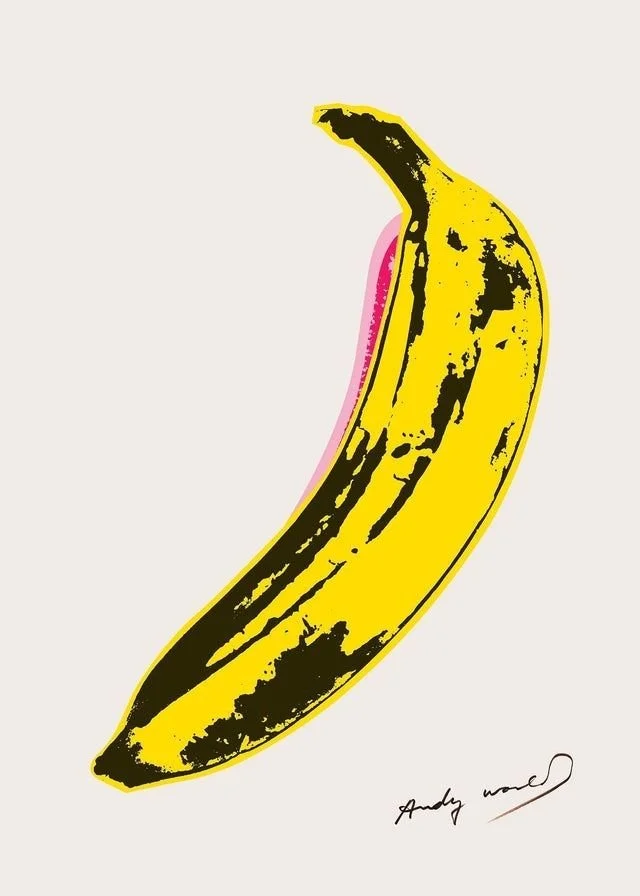
A banana starts green, turns yellow, then black. When is it ripe and edible, and when is it rotting and foul? The line’s tough to draw.
Add personal taste to the mix. One guy craves the dense, tart bite of unripe starch. It’s harder to digest but raises blood sugar smoothly.
Another waits for the starch to break into glucose, fructose, sucrose—simple sugars. He wants a banana at its peak: fragrant, soft, and sweet.
But hold that banana a bit too long, and it gets a funky smell, a boozy taste, and slime. Too much sugar sparks fermentation, microbes bloom, and tissues rot.
In one day, an unripe banana turns toxic. Now it belongs to mold and bacteria, and they don’t share their prize.
People agree on the extremes: unripe and overripe bananas are no good. The first needs special cooking to digest; the last is poison.
But the spectrum in between? No point arguing. Let each man pick his flavor—every shade there is safe.
The banana shows why you can’t make all humanity happy. It’s a dangerous utopia, a false mirage, a mad dream. One group’s version of bliss would wipe out all others.
The paradox? Misery unites us—or rather, escaping it does. Suffering is universal. And in each field, the path to less of it is usually clear.
Some call this goal too grim, too grounded. They’ve bought the lie that man was made for happiness. Happy people are rare, but ideas? Everyone’s got plenty.
Man fights suffering for meaning and with love. In a fleeting moment of triumph, he feels unity, harmony, and peace.
Sincerely yours,
-Alexander

As a business therapist, I help tech founders quickly solve dilemmas at the intersection of business and personality, and boost company value as a result.
Stuck? Your business grows when you do. I’m your business therapist to guide your shift. See testimonials here. Ready? Book your Catalyst session.