
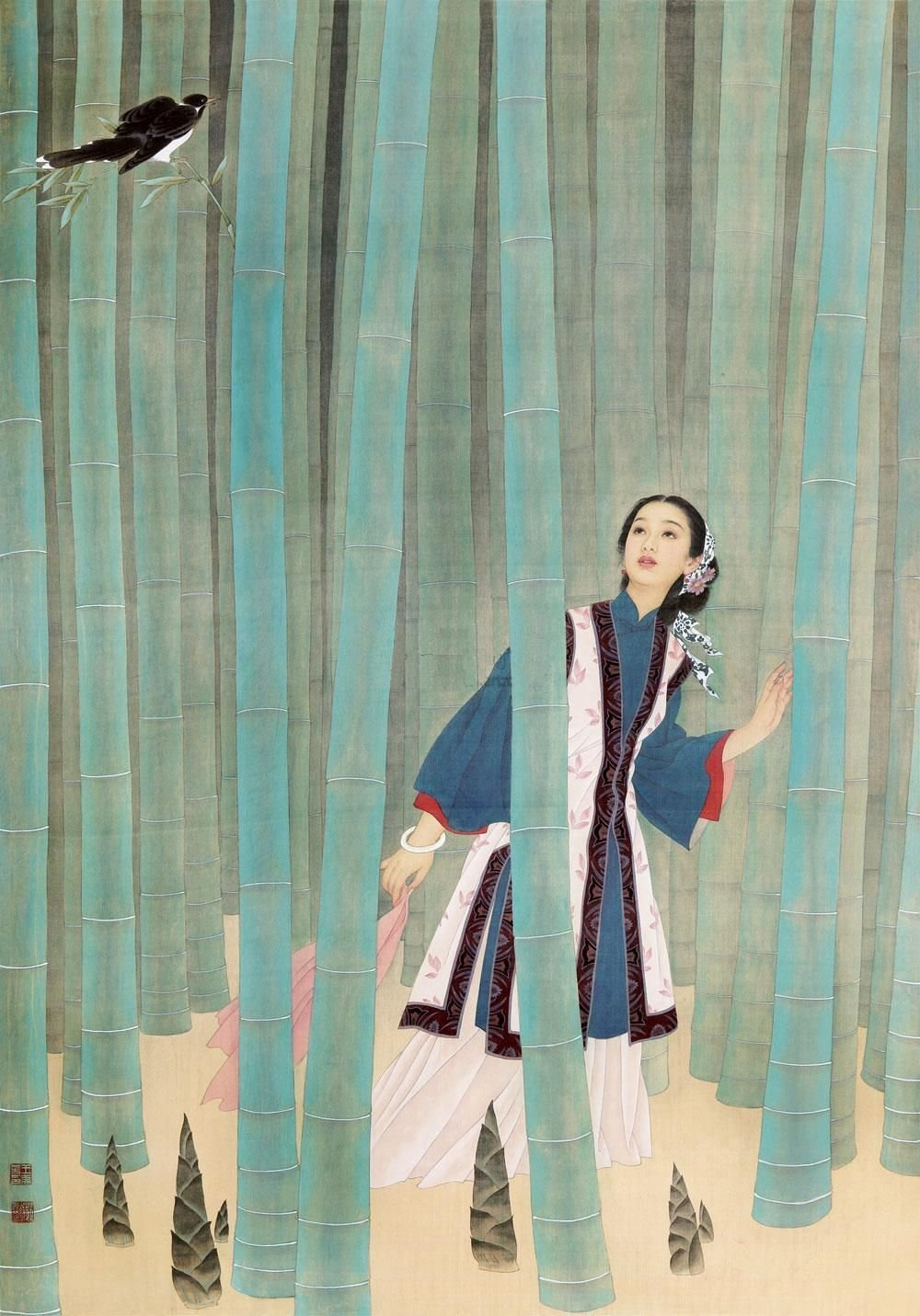
Reader Nimish Jalan asked an interesting question (shared here with his permission):
Hi Alexander, I've been a long time subscriber of your emails. I also follow you on LinkedIn. Something that has always intrigued me is the way you come up with your images. Is there a way for your readers to learn more about them? I would love to know your process and the thinking that goes behind each one of them because they are just so in sync with your content and so relevant and pleasant to look at. Best, Nimish
Images are extremely valuable to me because they allow me to convey what words simply cannot.
Like music, symbolically rich images can slip past the mind’s defenses. One glance at a picture and your mind is already on the other side of the Portal.
The trouble is that the text writes itself, but the needed image I only sense vaguely—I have to hunt it down somewhere. Finding a ready-made form is often harder than creating one.
Luckily, the world is full of talented artists, designers, and photographers. My task is simply to optimize the selection process.
Through trial and error I found a few ways that work:
I created an Illustrations board on Pinterest and placed the app button on my browser. Whenever I come across a photo, collage, or painting that surprises me, I save it without hesitation “for the future,” even if I have no idea whether it will ever be useful.
Most often I choose an illustration for an article that is already written. Then I simply type the essence of what I want to express into Pinterest. Sometimes I scroll through my folder and let a stream of images pass before my eyes.
Less often, but it happens—a single image melts a block in the text, as though the picture already holds the meaning I need to put into words.
Ideally, the chosen image does not literally illustrate the article’s idea. Instead, it expands and deepens it through associations.
I want the illustration to have value on its own. As if the image and the text are equal but independent partners. Their union creates something new that neither could produce alone.
No matter how carefully I choose my words, the text will always remain somewhat clumsy, sharp, or imprecise. A work of art acts like lubricant. It softens the friction between consciousness and meaning.
Perhaps this is how both hemispheres of the brain become engaged. The left finds it easier to grasp meaning that is materialized in words. The right takes everything else that the image quietly carries within it.
The topic of images deserves a deeper dive.
The method of symbol drama taught me that you do not need to be an artist to gain huge value from putting a lived feeling onto paper.
Not to mention images in dreams and meditations—they push me forward in understanding myself, other people, and the world more than almost anything else.
But I will talk about that next time, if you are interested.
And by the way, be like Nimish. Ask questions. That matters to me.
Sincerely yours,
-Alexander

As a business therapist, I help tech founders quickly solve dilemmas at the intersection of business and personality, and boost company value as a result.
Stuck? Your business grows when you do. I’m your business therapist to guide your shift. See testimonials here. Ready? Book your Catalyst session.